The 30-Piece Executive Wardrobe No. 10
The White Pocket Square

There is a quiet moment before every meeting when details decide the outcome.
The room has not yet spoken.
No presentation has begun.
But the mind is already forming conclusions.
The suit fits.
The tie is correct.
The shoes are polished.
Then there is the final signal of precision: the white pocket square.
In the architecture of executive dress, it is the smallest element that delivers the clearest message—discipline, composure, and control.
It is also the simplest.
And that is precisely why it matters.
Why the White Pocket Square Matters

The white pocket square is not decoration. It is punctuation.
A well-dressed man’s suit is a sentence. The tie provides emphasis. The shoes establish authority. The pocket square delivers the period at the end.
Without it, the suit feels unfinished.
With it, the entire ensemble resolves.
The reason is visual balance. A dark suit—navy, charcoal, or black—creates a dense block of color across the torso. The pocket square introduces a small, controlled point of contrast that draws the eye upward toward the face.
This is not accidental.
Executives want attention directed toward their words and expressions, not their clothing. The pocket square achieves exactly that.
It frames the face.
Why White Is the Only Universal Choice
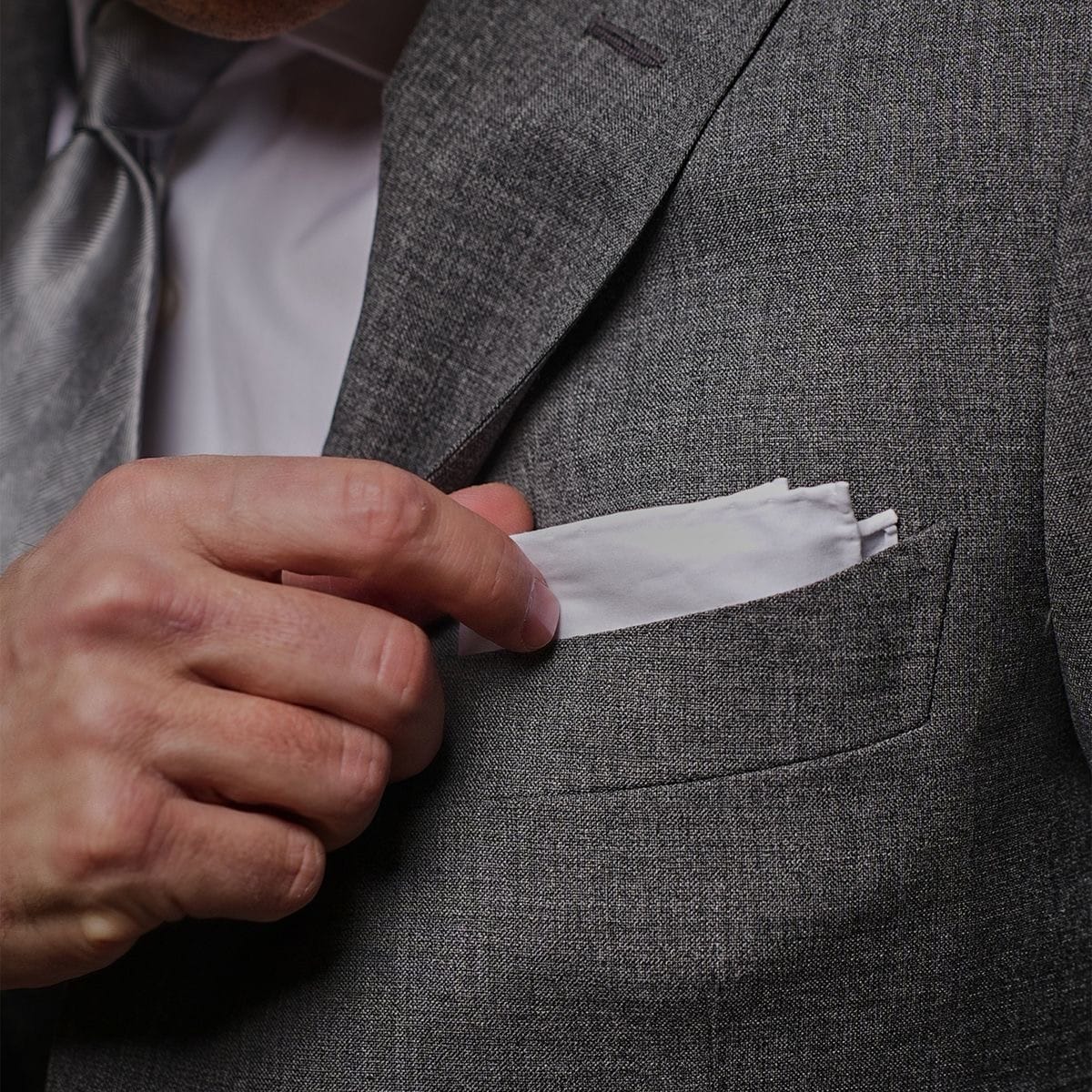
Pocket squares come in thousands of patterns and colors.
Most of them are unnecessary.
For an executive wardrobe built on reliability and authority, white remains the only truly universal option.
It works with:
Navy suits
Charcoal suits
Gray suits
Brown suits
Blue shirts
White shirts
Every tie in the wardrobe
No other pocket square offers this level of compatibility.
More importantly, white communicates restraint.
Flashy pocket squares signal fashion.
White signals standards.
That distinction matters in professional environments.
Linen vs. Silk
Two fabrics dominate quality pocket squares: linen and silk.
Both have their place, but they create very different impressions.
Linen
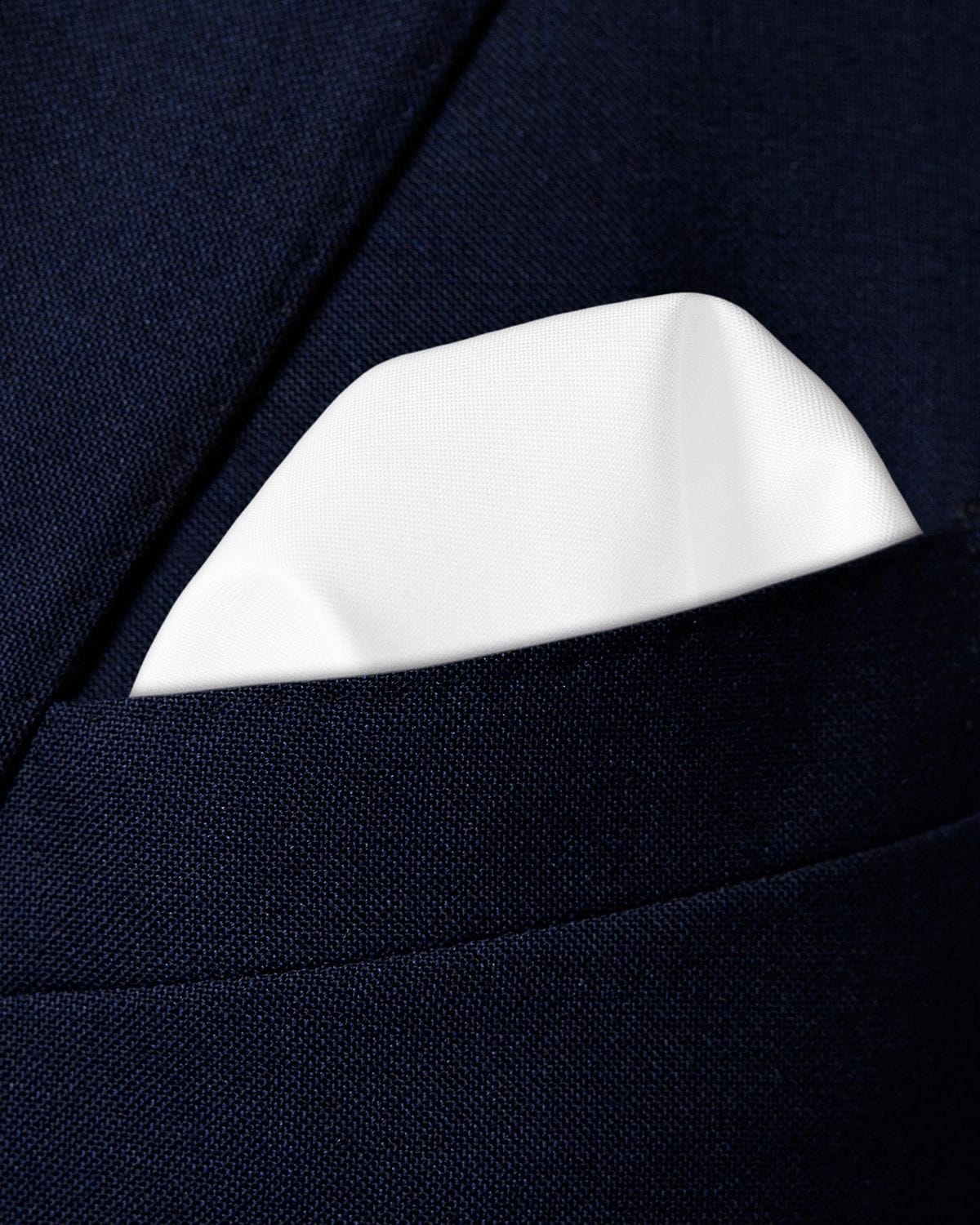
Linen is the classic choice for business.
Its slightly crisp texture allows the pocket square to hold structured folds—particularly the presidential fold that executives rely on most.
It reads as clean, sharp, and disciplined.
Silk
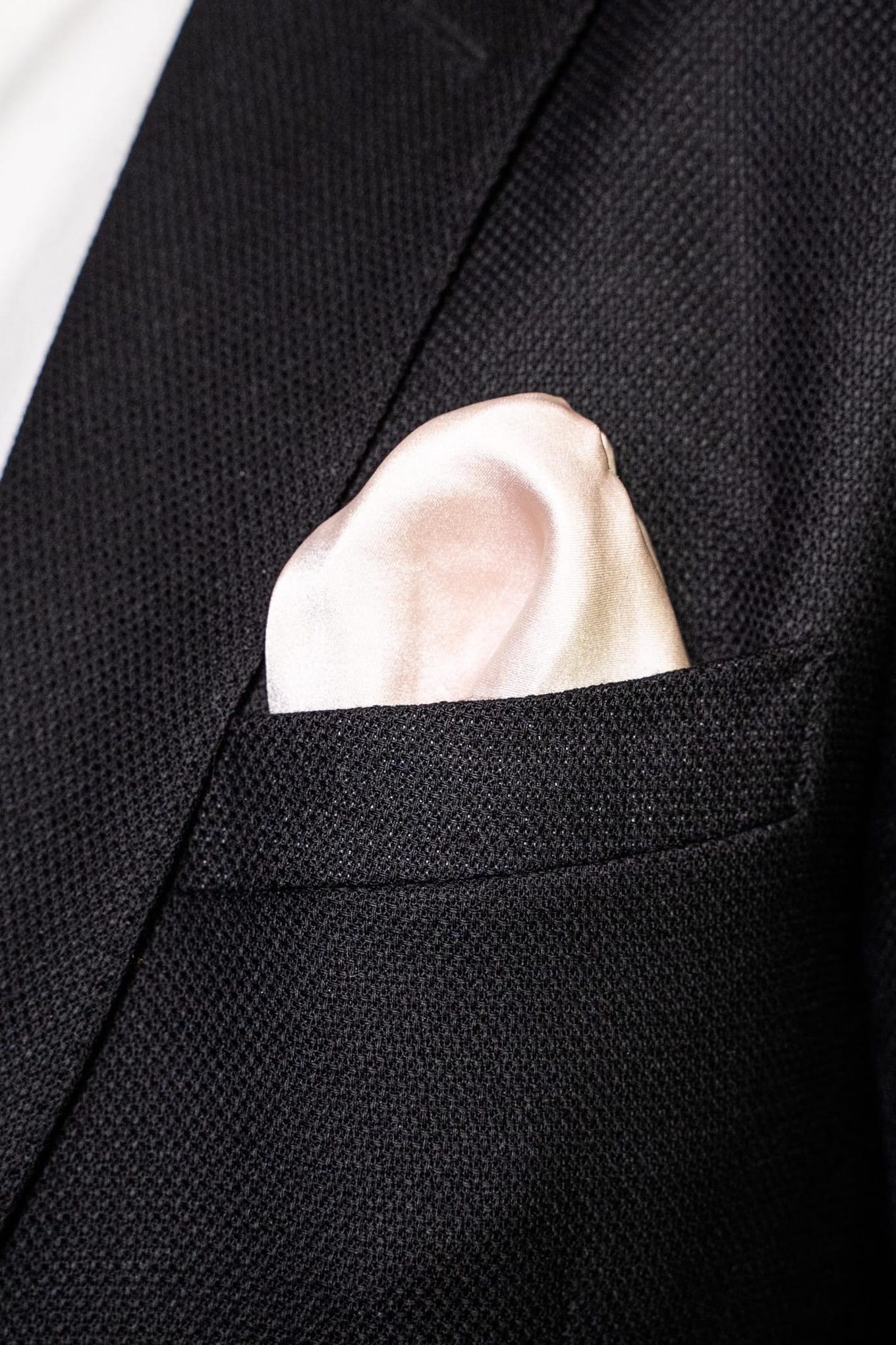
Silk pocket squares are softer and often appear slightly luminous. They work well with relaxed folds and evening attire.
However, in business settings silk can appear too fluid and informal compared to linen.
For the executive wardrobe, a white linen pocket square is the standard.
It is the equivalent of a navy suit or white dress shirt—foundational and correct.
The Presidential Fold
Pocket square folding can become unnecessarily theatrical.
There are dozens of folds: the puff, the crown, the scallop, the wing.
Most of them belong at weddings.
Executives rely on one fold above all others:
The Presidential Fold.
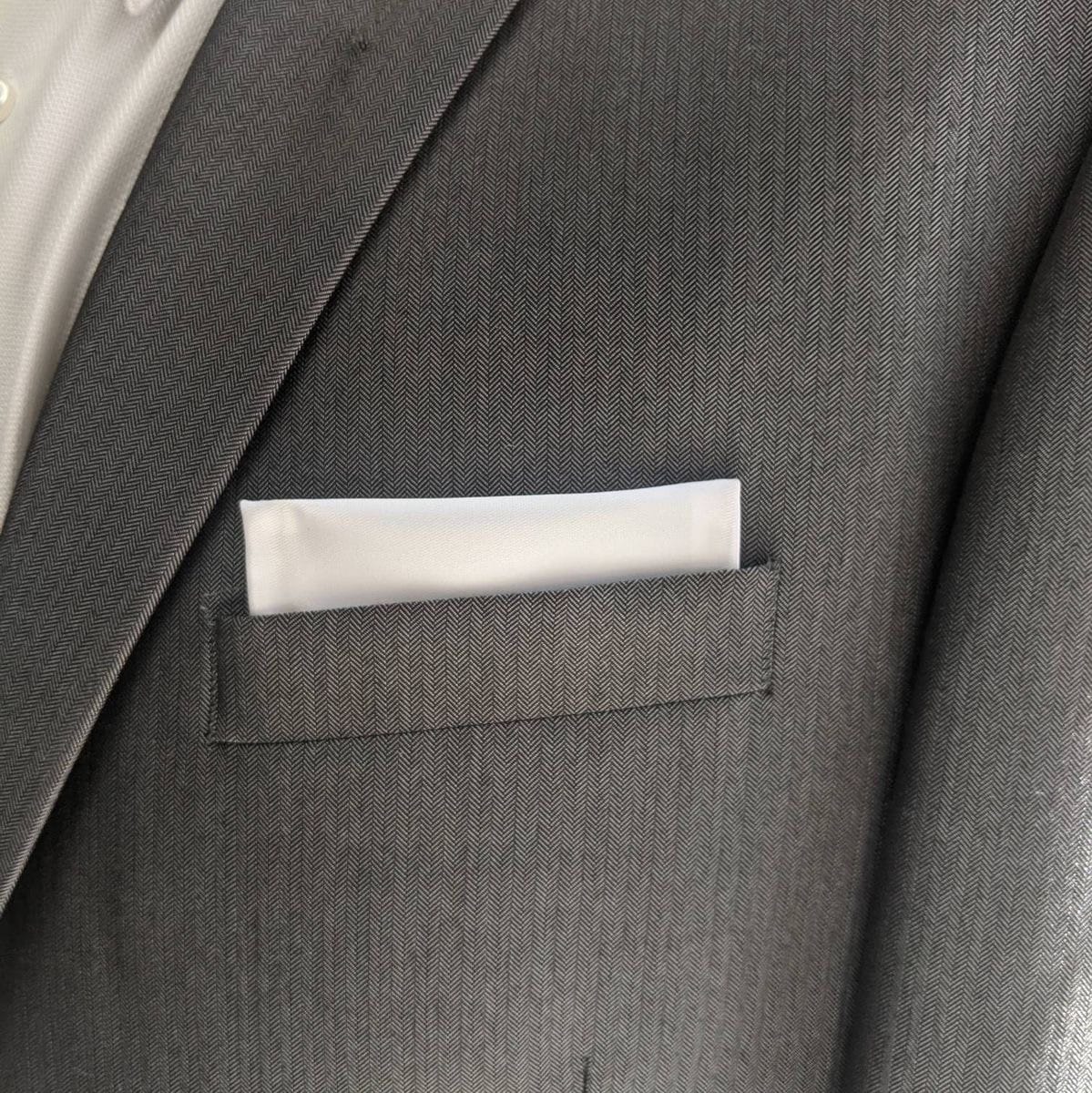
Sometimes called the TV fold, it presents a simple horizontal line of white just above the pocket.
Minimal.
Balanced.
Controlled.
To create it:
Lay the pocket square flat.
Fold it in half vertically.
Fold again to match the pocket width.
Fold the bottom upward until the height fits the pocket.
Insert it so that only a thin strip of white is visible.
The goal is subtlety.
If someone notices the pocket square immediately, it is too large.
The best pocket square is felt more than seen.
The Psychology of Small Details
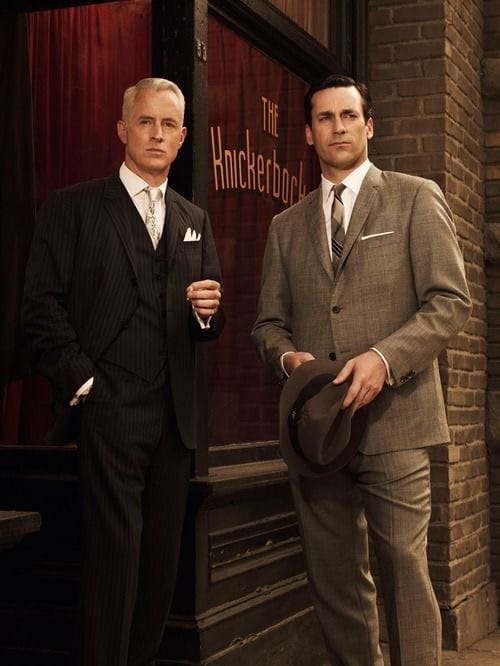
Executives often underestimate how much small details communicate.
But humans are pattern-recognition machines.
When someone notices polished shoes, a pressed shirt, and a properly placed pocket square, their mind unconsciously assigns a set of traits:
Discipline
Reliability
Preparedness
Professionalism
None of these judgments are consciously articulated.
They simply appear.
And once they appear, they influence every subsequent interaction.
This is why the smallest details often deliver the greatest returns.
When to Wear It
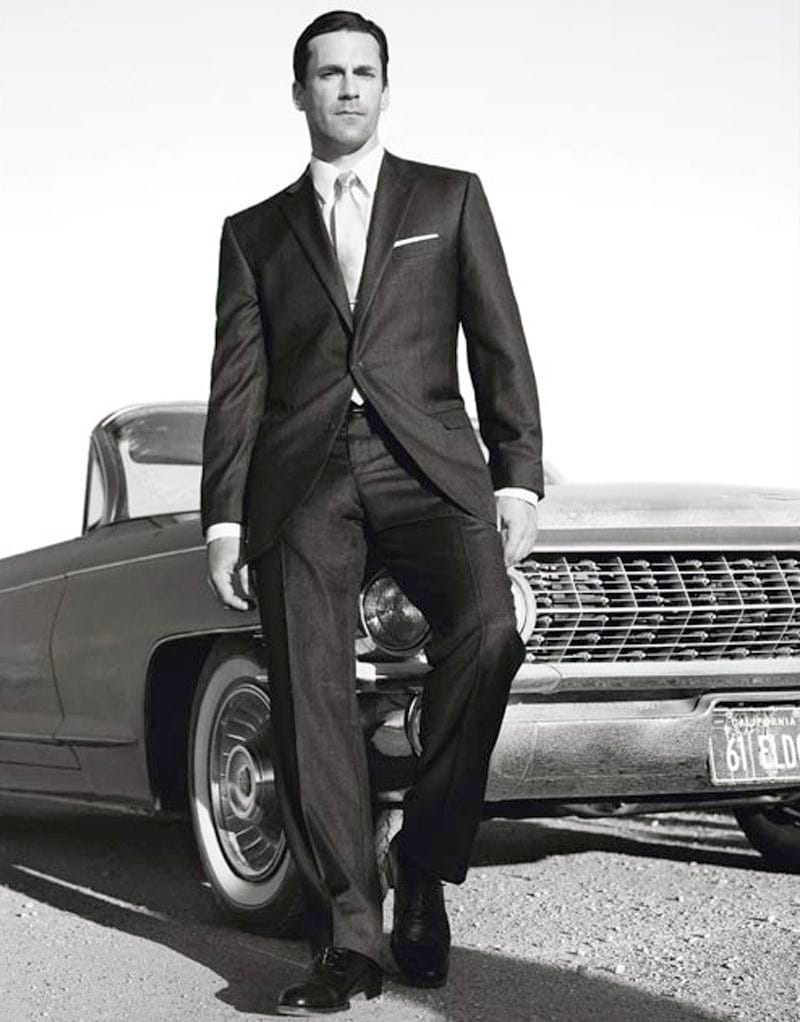
The white pocket square is appropriate in almost every professional context.
Wear it:
In client meetings
During presentations
In leadership settings
At conferences
In interviews
In media appearances
It can also be worn without a tie, where it adds structure to an otherwise relaxed look.
The only time to remove it is when the environment becomes truly casual.
Otherwise, it belongs in the pocket.
How Many You Should Own
Pocket squares are small, inexpensive, and easily lost.
Executives should own at least five white linen pocket squares.
This ensures one is always clean, pressed, and available.
They require almost no storage space, yet they elevate every suit in the wardrobe.
In terms of cost-to-impact ratio, few garments offer more value.
The Final Detail

The executive wardrobe is not built from extravagance.
It is built from precision.
The right suit.
The correct shoes.
The disciplined tie.
And finally, the white pocket square—quietly placed where it belongs.
It does not demand attention.
But it signals something powerful to those who understand it.
The man wearing it finishes what he starts.