The 30-Piece Executive Wardrobe No. 13
The Pea Coat
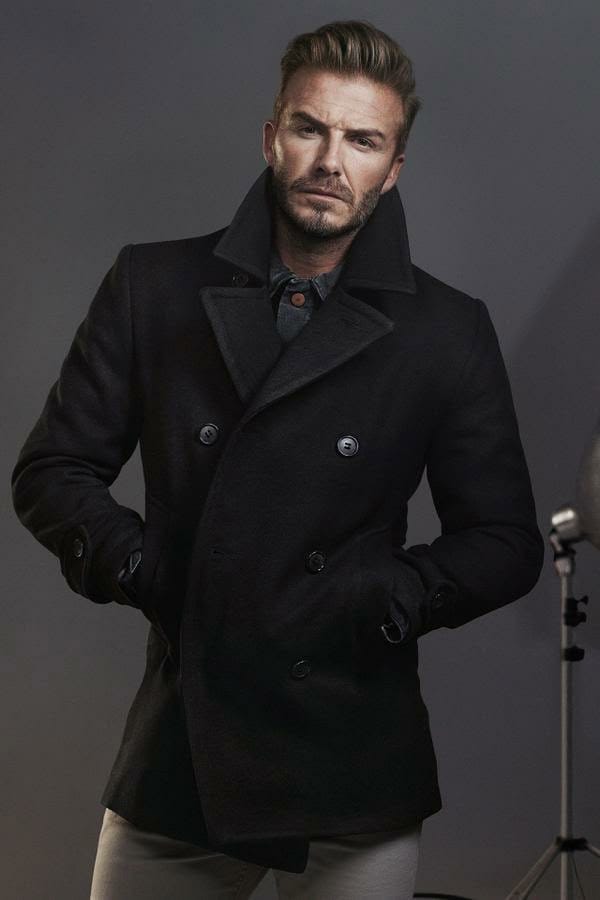
There are garments that signal taste.
And there are garments that signal authority.
The pea coat does both—quietly, without negotiation.
Originally issued to naval officers, it was built for harsh conditions, clarity of movement, and men expected to perform without hesitation. That origin remains embedded in the garment.
And when worn correctly, so does the man.
Why the Pea Coat Belongs in the Executive Wardrobe
The modern executive wardrobe is built on three pillars:
clarity, consistency, and command.
The pea coat satisfies all three.
Clarity — Its structure is unmistakable
Consistency — It integrates seamlessly across formal and elevated casual systems
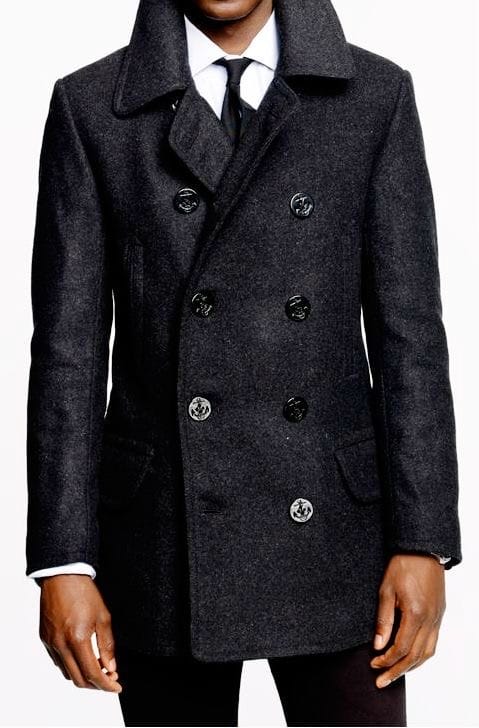
Command — The double-breasted front creates immediate presence
Unlike trend-driven outerwear, the pea coat does not attempt to impress.
It establishes itself.
The Design That Defines It
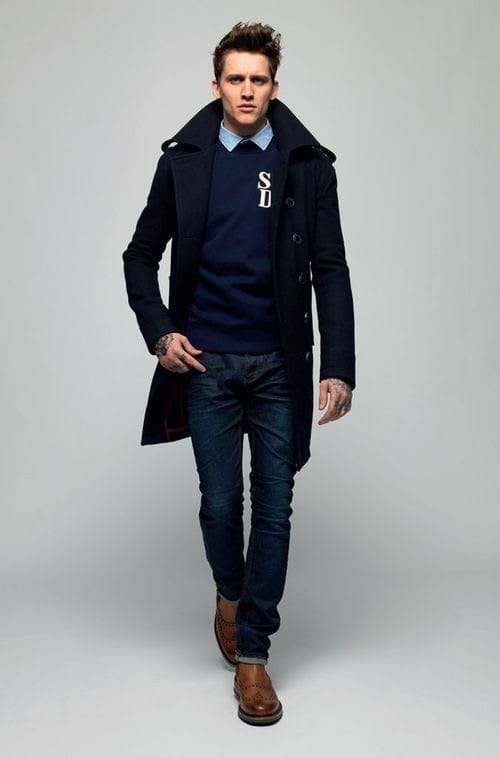
A true pea coat is not simply a short coat.
It is defined by specific, disciplined elements:
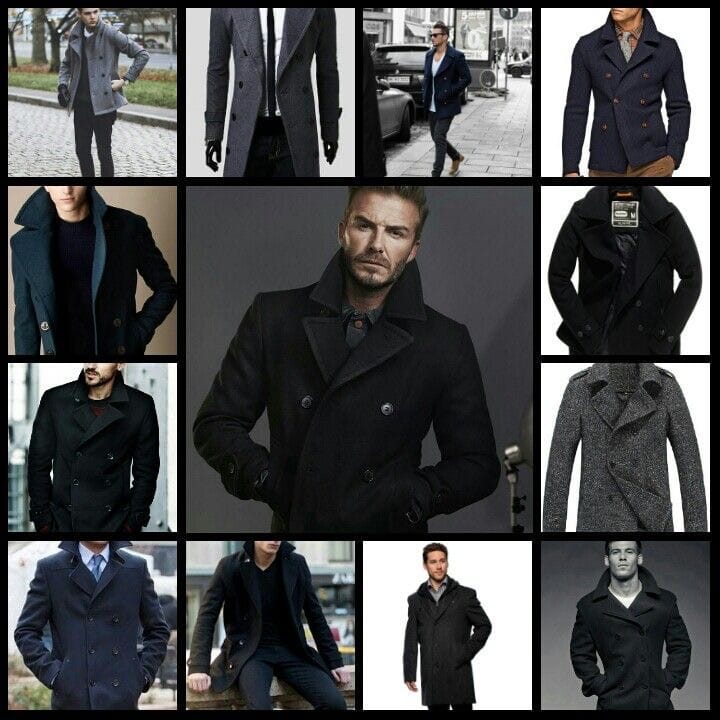
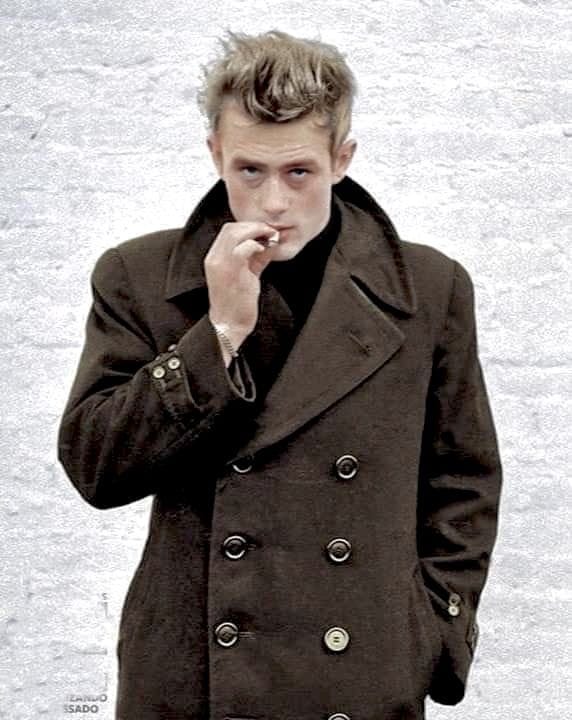
Double-breasted front — typically six to eight buttons
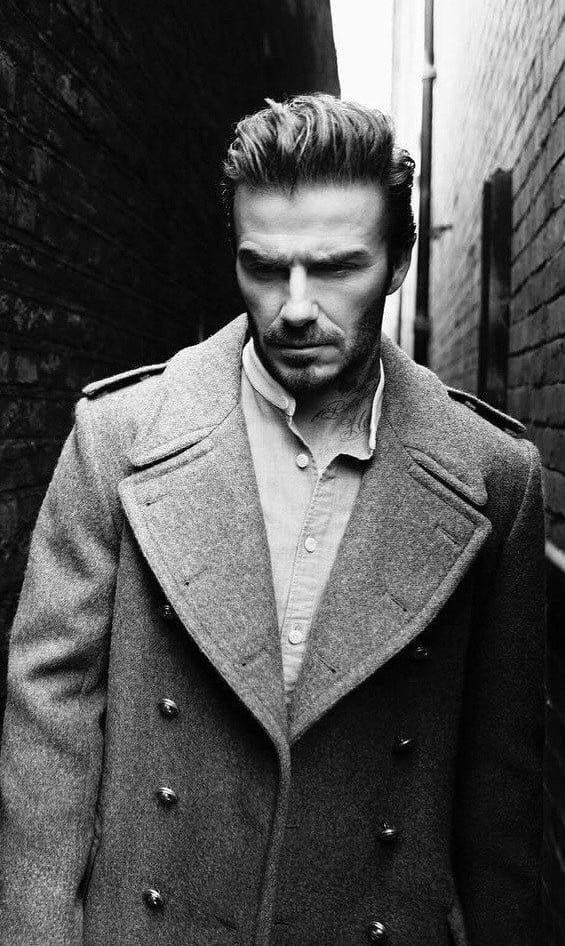
Wide, assertive lapels — capable of being turned up when needed
Heavy wool construction — traditionally dense, wind-resistant fabric
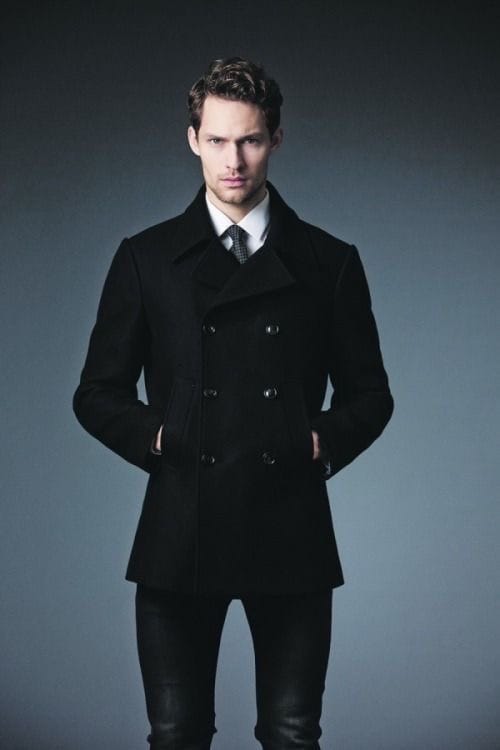
Hip-length cut — shorter than an overcoat, longer than a jacket
Structured shoulders — creating a clean, masculine line
When these elements are softened or removed, the garment loses its authority.
The pea coat should feel substantial.
Weight—both physical and visual—is part of its function.
Color and Material Considerations
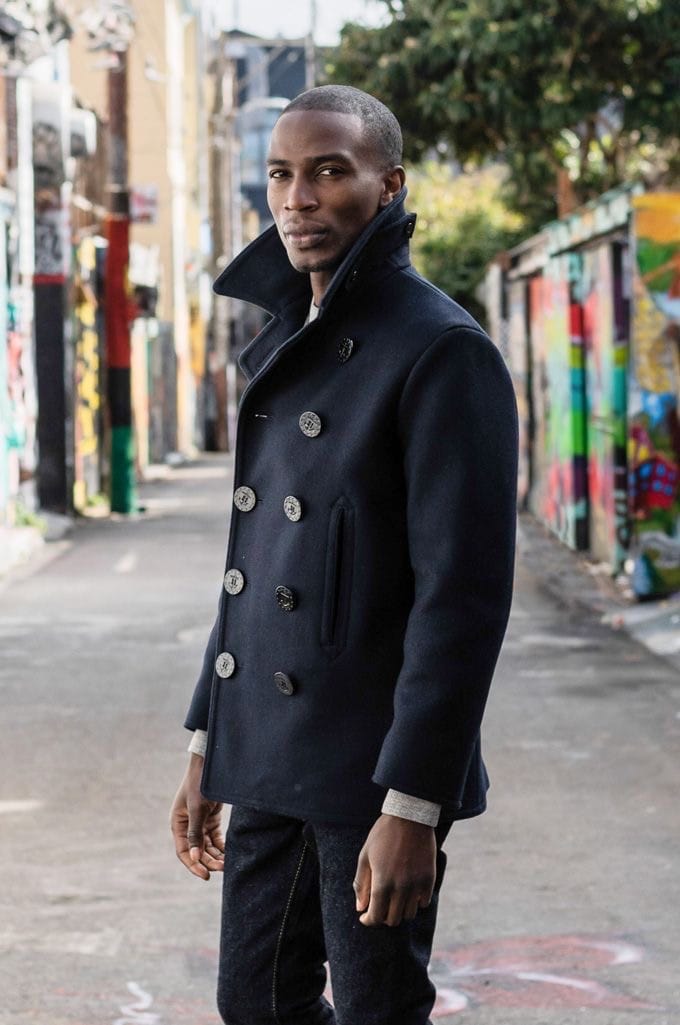
While the pea coat has strong historical associations, the executive wardrobe allows for controlled flexibility.
Deep navy remains the most traditional and versatile
Charcoal and black introduce a sharper, more urban edge
Dark brown or muted olive can work in more relaxed environments
Regardless of color, the priority is depth and restraint.
Avoid anything overly bright, glossy, or trend-driven.
Fabric matters just as much:
Dense wool or wool blends with structure
Matte finishes over sheen
Enough weight to hold shape over time
The coat should read as deliberate—not seasonal.
Fit: Where Most Men Fail
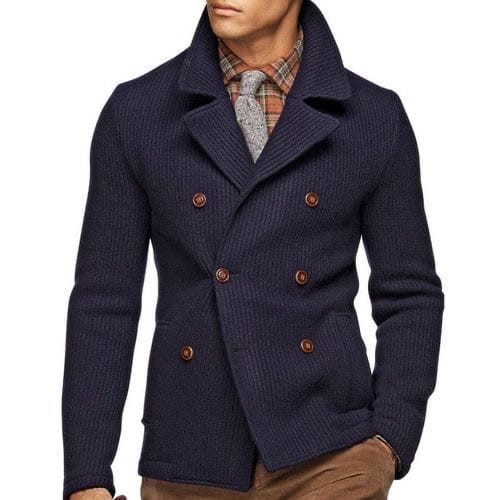
The difference between presence and mediocrity is not the coat.
It is the fit.
Correct fit principles:
Shoulders sit clean and defined—no collapse, no extension beyond the natural line
The body follows the torso with slight taper—never boxy, never oversized
Length hits at the mid-hip—balanced and proportional
Sleeves end cleanly at the wrist
A poorly fitted pea coat becomes casual outerwear.
A properly fitted one becomes structure you wear.
How the Pea Coat Integrates Into the Executive System
The pea coat is not a replacement for the overcoat.
It is a complementary piece—designed for mobility and precision.
Think of it as your controlled outer layer.
1. Business Casual Command
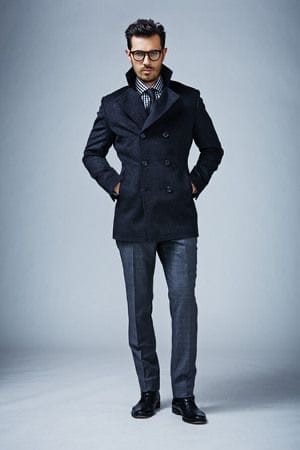
Pea coat
Grey wool trousers
White Oxford
Leather boots
Clean, intentional, and composed.
2. Off-Duty Executive
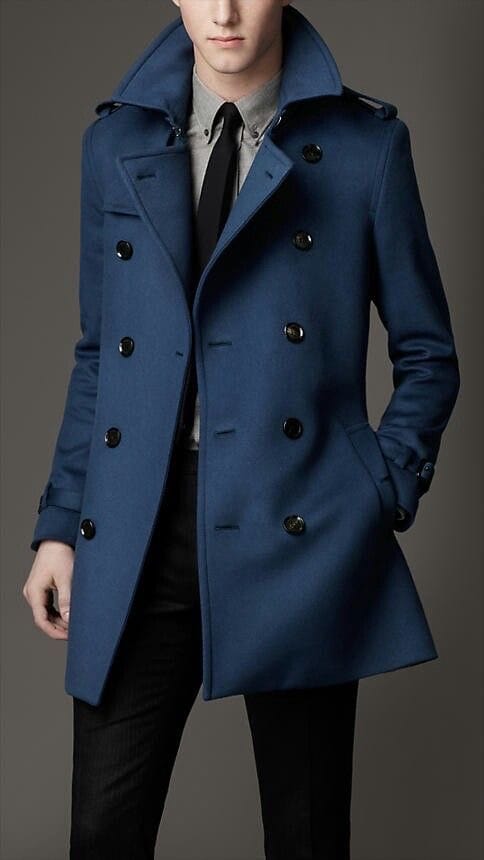
Pea coat
Dark denim (no distressing)
Cashmere or merino knit
Minimal footwear
Relaxed—but never careless.
3. Travel Uniform
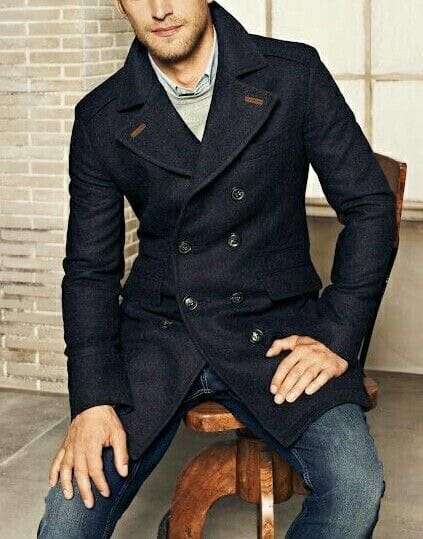
Pea coat
Tailored trousers
Fine gauge knit or polo
Streamlined boots
Efficient. Sharp. Uncomplicated.
When to Wear It
The pea coat thrives in transitional and moderate winter conditions.
Fall through early winter
Urban environments
Travel days
Evenings and weekends
It is less about extreme insulation and more about maintaining structure in motion.
What the Pea Coat Communicates
Every piece in the executive wardrobe sends a signal.
The pea coat communicates:
Discipline
Restraint
Structural awareness
It is masculine without excess.
Sharp without aggression.
Timeless without rigidity.
Final Principle
Most men treat outerwear as an afterthought.
Executives do the opposite.
Because the coat is often the first impression—and the last.
The pea coat, when executed correctly, ensures both are aligned.
The Standard
If you own one:
Ensure it is structured.
Ensure it holds its shape.
Ensure it fits without compromise.
If you don’t:
This is one of the few garments where shortcuts are immediately visible.
Choose with intention.
Wear it with control.
And allow it to do what it was designed to do—
project composure in any environment.