The 30-Piece Executive Wardrobe No. 19
The Chino Trouser
There are garments that exist to impress.
And there are garments that exist to perform.
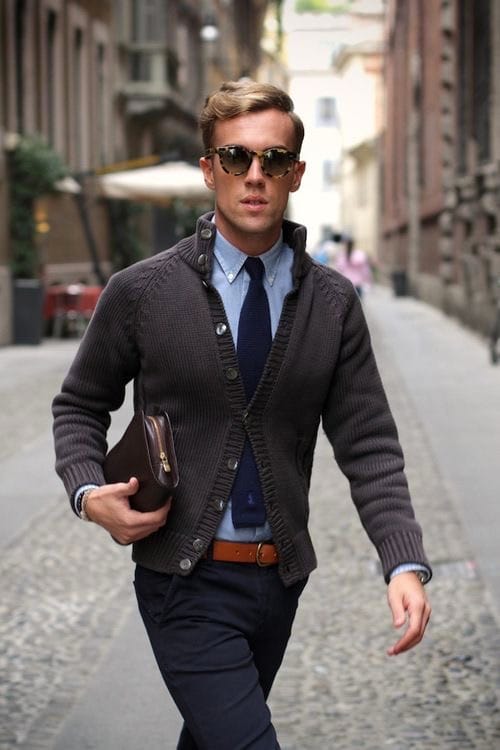
The chino belongs to the second category.
In the modern executive wardrobe, chinos are not a casual compromise. They are a strategic bridge between formal authority and practical versatility — particularly in the new era of hybrid professionalism where rigid corporate uniforms have dissolved, but standards still matter.
The executive who understands chinos understands calibration.
Not every meeting requires worsted wool.
Not every environment rewards full tailoring.
But every room still reads signals.
And poorly chosen chinos send the wrong ones immediately.
Too slim, and they appear trend-driven.
Too baggy, and they collapse into suburban casualwear.
Too washed-out, too distressed, too low-rise, too synthetic — and the entire silhouette deteriorates.
The correct chino, however, communicates something different:
Controlled ease.
Operational competence.
Refined practicality.
The executive who wears them correctly appears adaptable without appearing relaxed.
That distinction matters.
The Origin of the Modern Chino
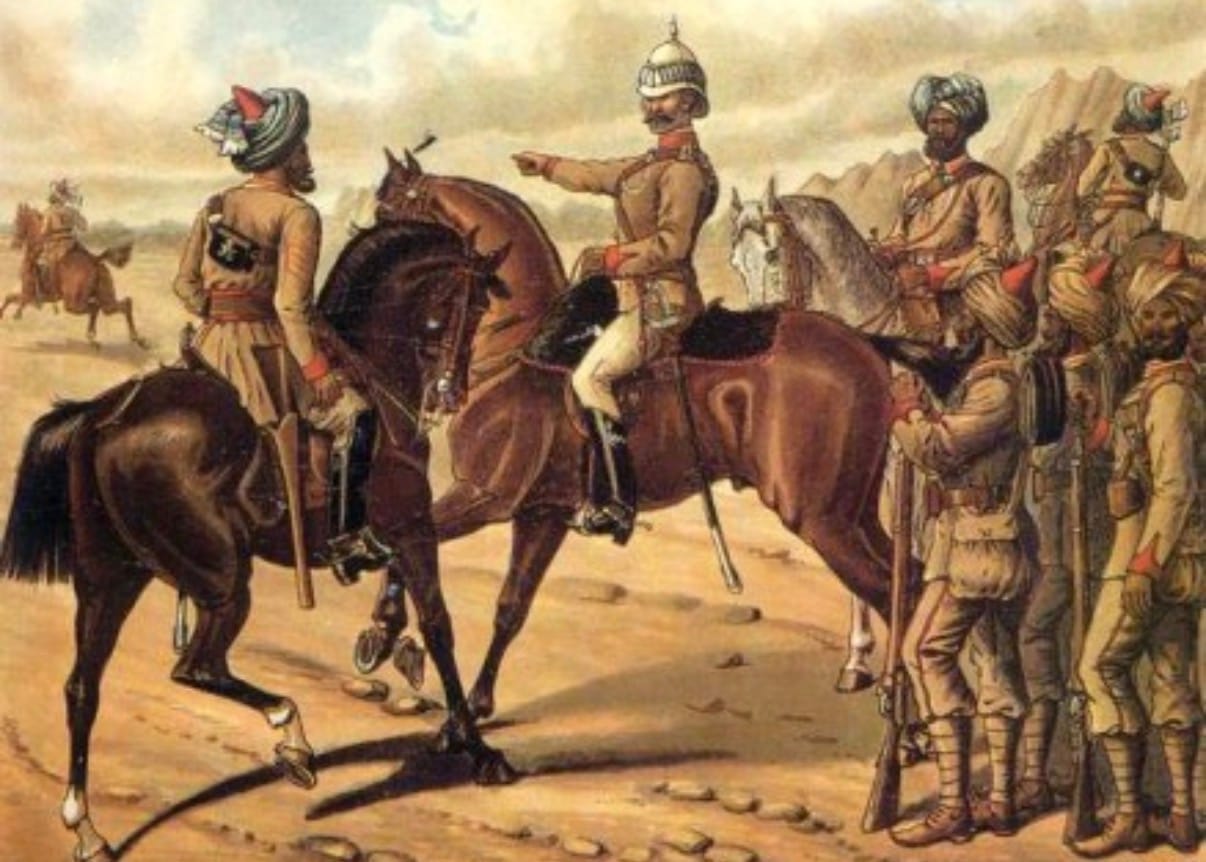
The chino’s roots are military.
Originally developed as a durable cotton twill trouser for military use in warm climates, the garment was designed around mobility, durability, and neutrality. Its purpose was utility — not style.
But over time, the chino evolved into one of the foundational garments of American professional sportswear.
What elevated the chino was not fashion.
It was context.
Universities.
Military officers.
Architects.
Executives in transitional environments.
Leaders traveling between formal and operational settings.
The chino became associated with disciplined informality — a category modern professionals still struggle to execute correctly.
Today, most men wear chinos.
Very few wear them well.
What Separates Executive-Level Chinos From Ordinary Chinos
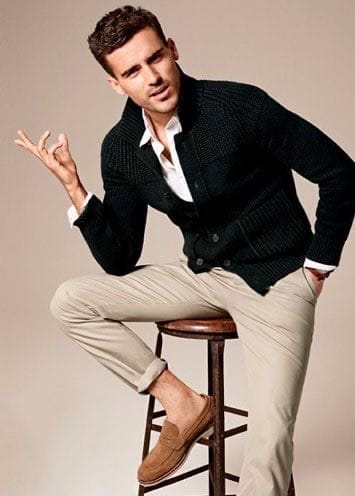
Most chinos fail for one reason:
They are treated like “just pants.”
In reality, chinos function as tailoring-adjacent garments. They occupy visual territory directly beneath trousers in the hierarchy of dress.
That means proportion becomes critical.
The correct executive chino should:
Sit naturally at the waist
Have a clean line through the thigh
Taper subtly below the knee
Break minimally at the shoe
Maintain structure without stiffness
Avoid excessive stretch
Avoid visible branding
Hold shape throughout the day
The fabric should feel substantial.
Thin chinos immediately lose authority because they wrinkle aggressively, cling to the leg, and collapse during movement.
A proper chino maintains architectural integrity.
That is the objective.
The Three Colors Every Executive Needs
Most men buy chinos randomly.
Executives should build them systematically.
1. Stone / Khaki
The foundation.
This is the classic American executive sportswear color — particularly effective with navy blazers, dark polos, suede loafers, brown derbies, and lightweight outerwear.
The key is avoiding overly yellow or overly pale tones.
The ideal khaki appears muted, dry, and sophisticated.
Think:
Coastal law partner
Private equity offsite
Luxury hospitality executive
Senior leadership travel uniform
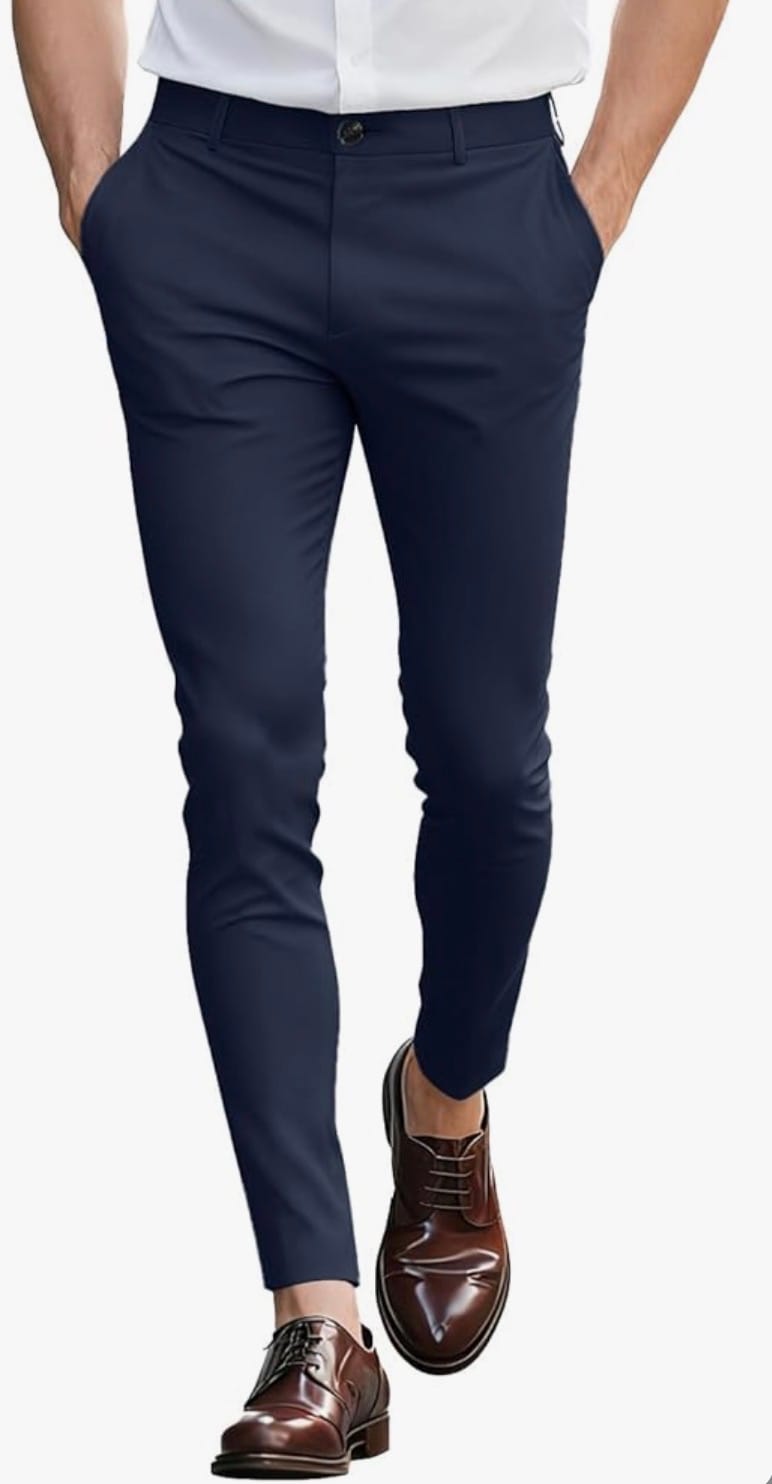
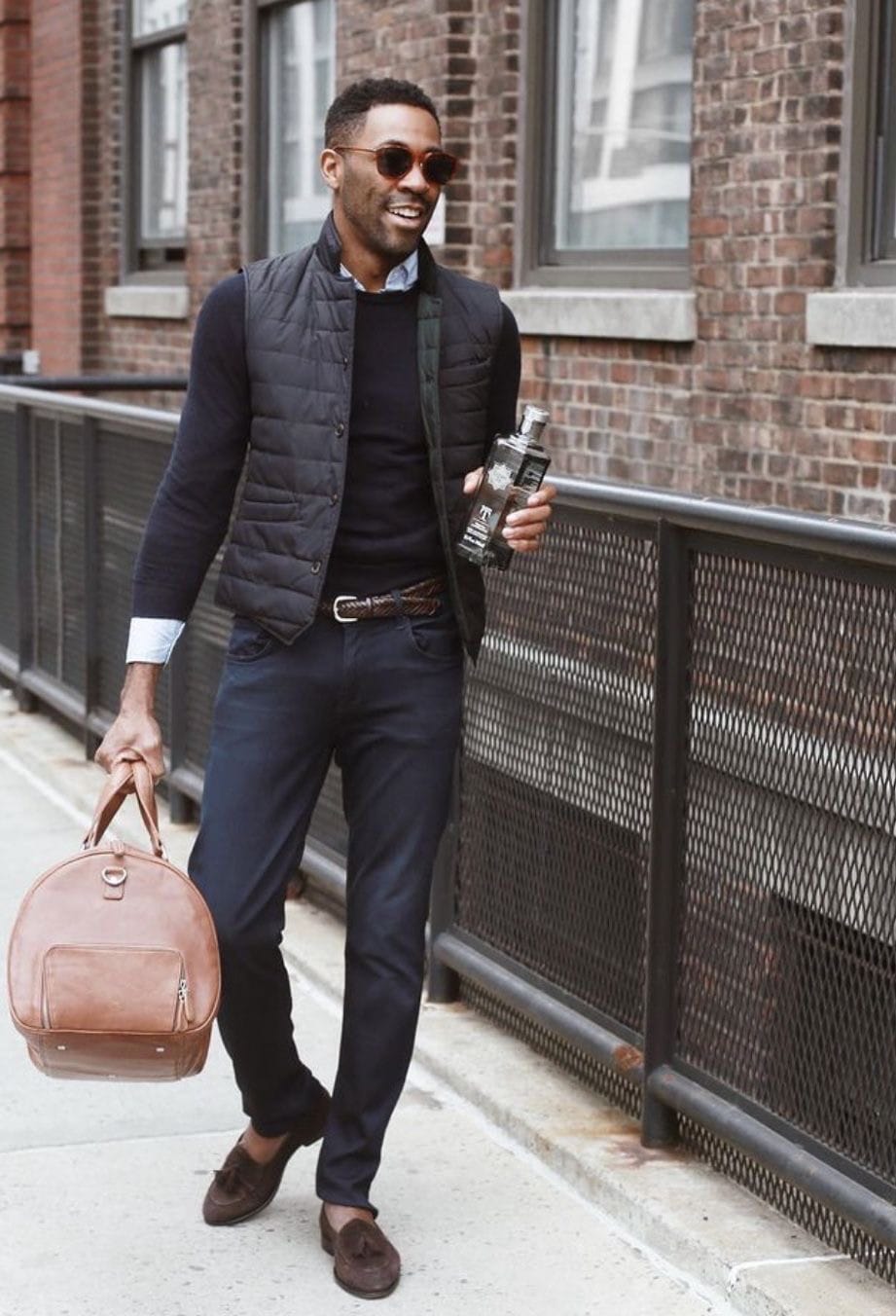
2. Navy
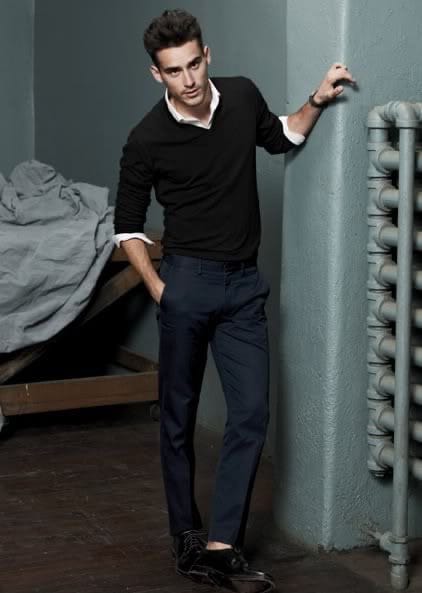
The most underrated chino color.
Navy chinos create visual continuity with darker wardrobes and pair exceptionally well with:
Grey knitwear
White Oxford shirts
Black loafers
Dark brown suede
Camel outerwear
Navy chinos also transition seamlessly from office environments into evening settings.
They photograph exceptionally well and maintain authority under low lighting — one reason they are favored in luxury hospitality and modern tech leadership environments.
3. Olive
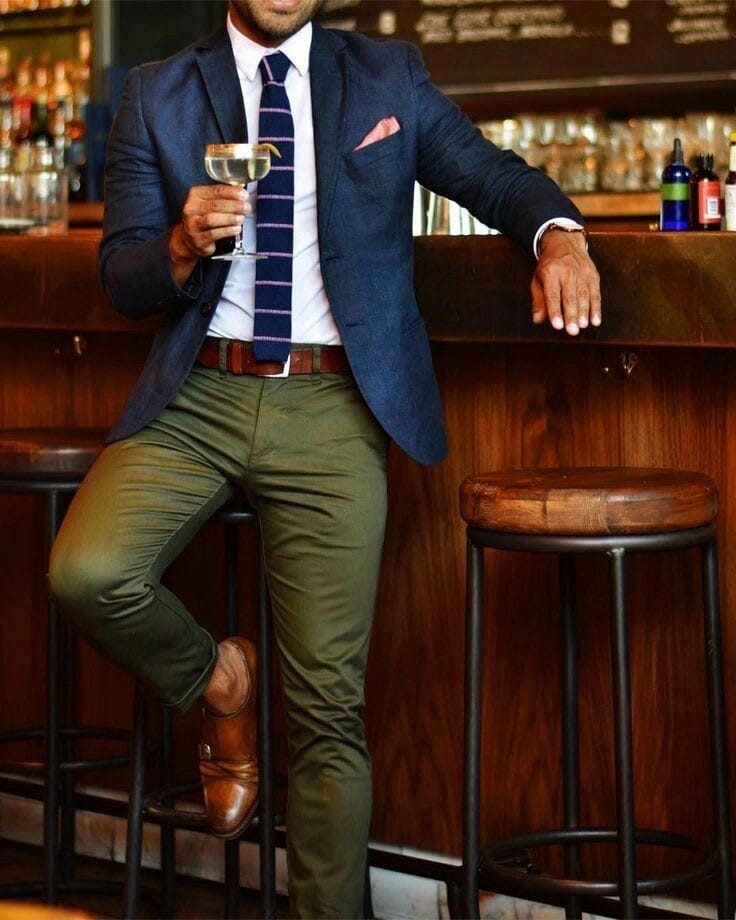
The sophistication play.
Olive introduces texture and depth without appearing loud.
Done correctly, olive chinos create one of the strongest combinations in modern menswear:
White Oxford
Navy blazer
Olive chinos
Dark brown suede loafers
The result feels intelligent rather than corporate.
Refined rather than rigid.
This is where executive casualwear begins separating itself from generic business casual.
The Proper Fit
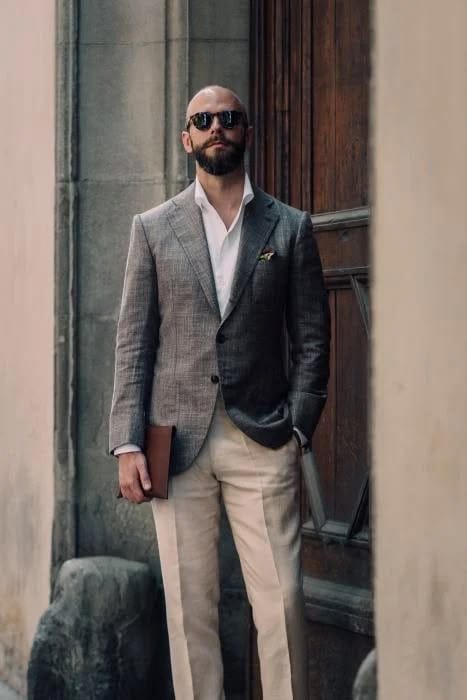
Fit determines whether chinos look executive or forgettable.
The ideal executive chino is:
Tailored, not tight
Clean, not painted-on
Structured, not stiff
Minimal, not trendy
The thigh should drape cleanly.
The taper should be subtle.
The hem should either:
Rest with a slight break
Or finish with no break at all
Excess stacking destroys visual precision instantly.
Avoid:
Extreme tapering
Cropped ankle cuts
Excess stretch fabric
Skin-tight calves
Overly low rises
The goal is quiet competence.
Not fashion experimentation.
Footwear That Works Best With Chinos
The right shoe determines whether chinos elevate or collapse.
The best pairings include:
Dark brown suede loafers
Penny loafers
Belgian loafers
Minimal leather sneakers
Brown derbies
Suede chukkas
Clean Chelsea boots
Avoid:
Bulky athletic shoes
Thick white soles
Running sneakers
Overly chunky boots
Chinos require visual refinement underneath.
Heavy footwear interrupts the line.
Why Executives Need Chinos More Than Ever
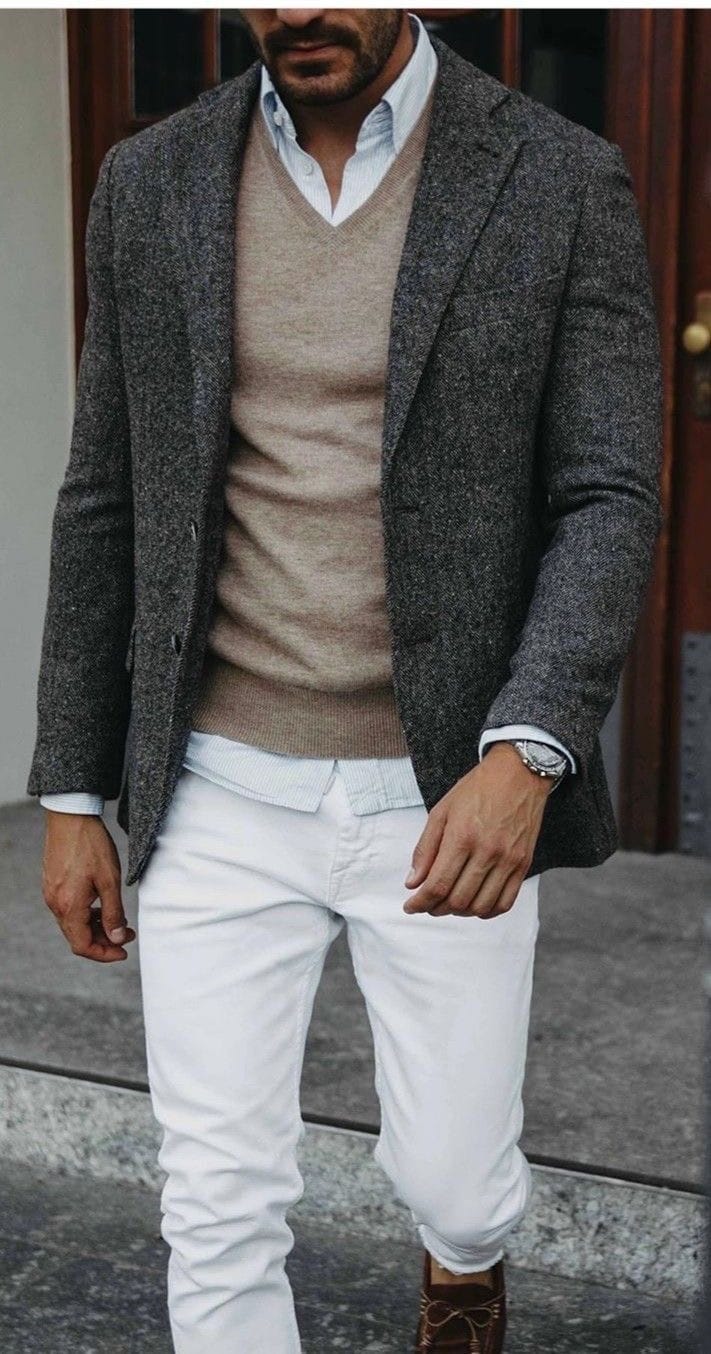
The modern workplace no longer rewards overdressing.
But it absolutely penalizes underdressing.
This creates a difficult middle ground many professionals fail to navigate.
Chinos solve this problem.
Correctly styled chinos allow an executive to:
Appear polished without appearing rigid
Transition between environments effortlessly
Maintain authority in relaxed settings
Adapt to hybrid workplaces
Travel efficiently
Build more outfits with fewer garments
This is why they remain essential.
Not because they are casual.
But because they are strategically versatile.
The Executive Standard
A man’s wardrobe should not fluctuate emotionally based on dress codes.
It should operate systematically.
The chino is part of that system.
Not a substitute for tailoring.
Not an excuse for casualness.
Not weekendwear disguised as professionalism.
A properly selected chino allows the modern executive to maintain visual standards in environments where full formalwear is unnecessary.
That is its purpose.
And like every piece in an executive wardrobe, the difference is never the garment itself.
It is the precision with which it is chosen.