The Difference Between Looking Expensive and Looking Important
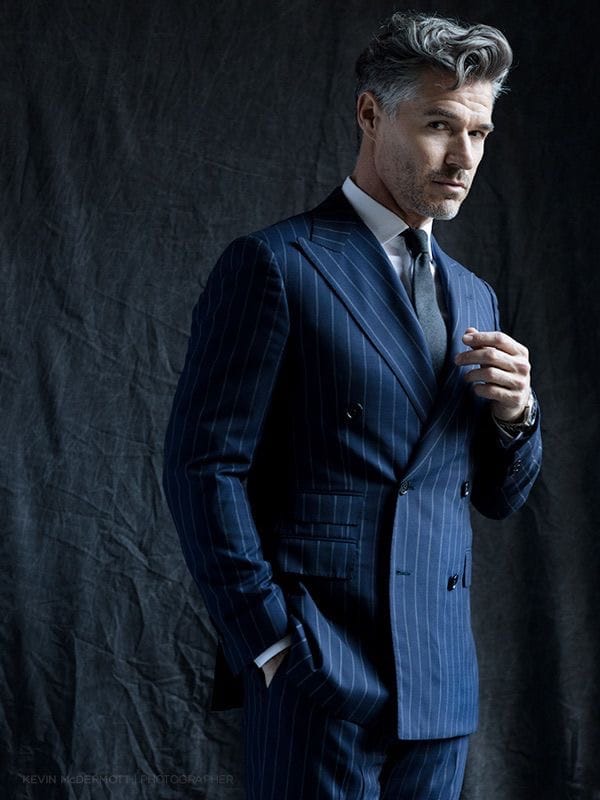
There is a mistake many successful men make once they can finally afford better clothes.
They assume that expense equals authority.
It doesn’t.
Looking expensive is easy. Looking important is rare—and the difference is immediately visible to anyone who knows how power actually moves.
Expensive clothing draws attention to itself. Important clothing dissolves into the background while amplifying the man wearing it.
That distinction is everything.
Looking Expensive Is About Display
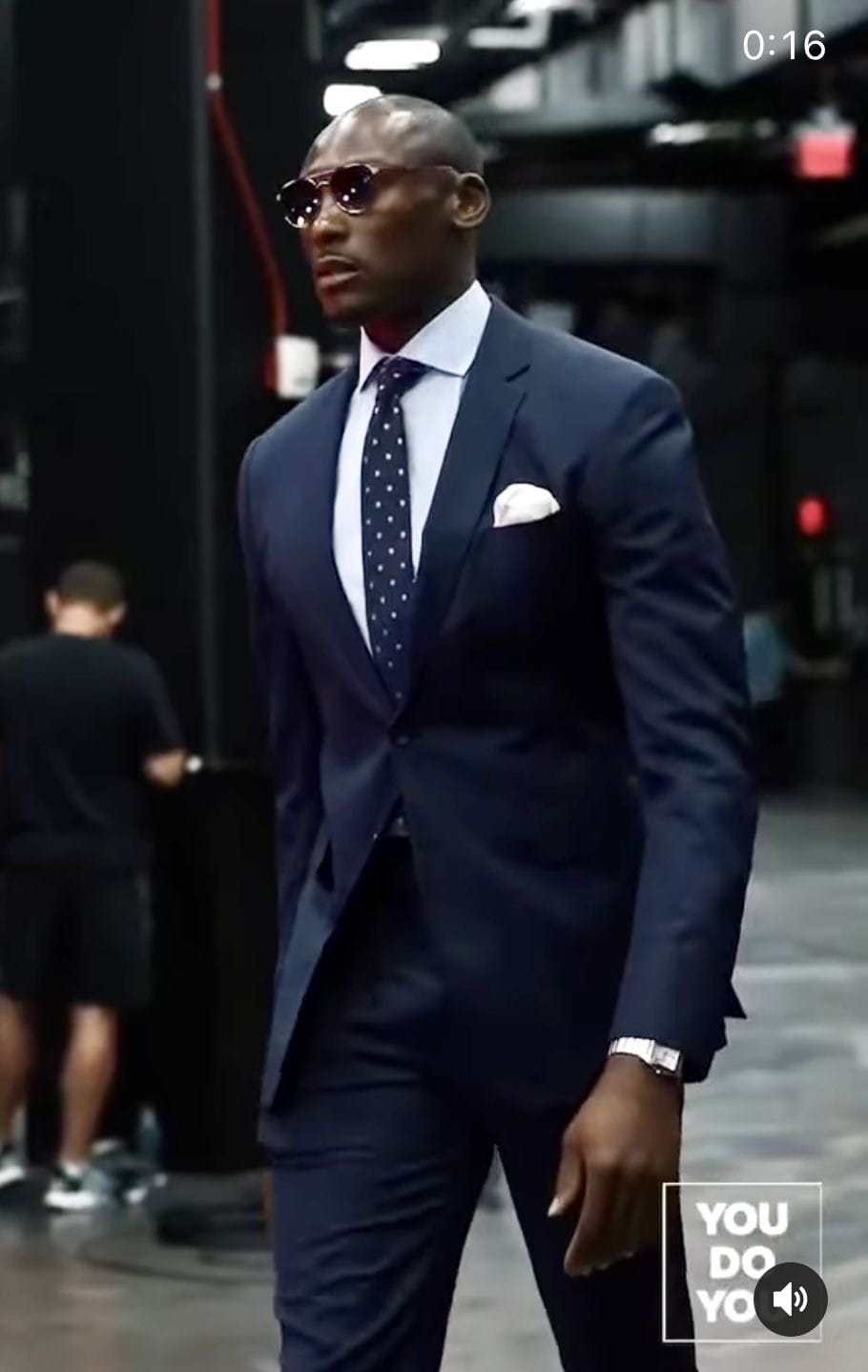
Looking Important Is About Control
Looking expensive is outward-facing.
It is built to be noticed.
Luxury logos, obvious tailoring, aggressive styling choices, trend-aware silhouettes—these signal money, taste, or aspiration. They say “I can afford this.”
Looking important says something quieter:
“I don’t need your validation.”
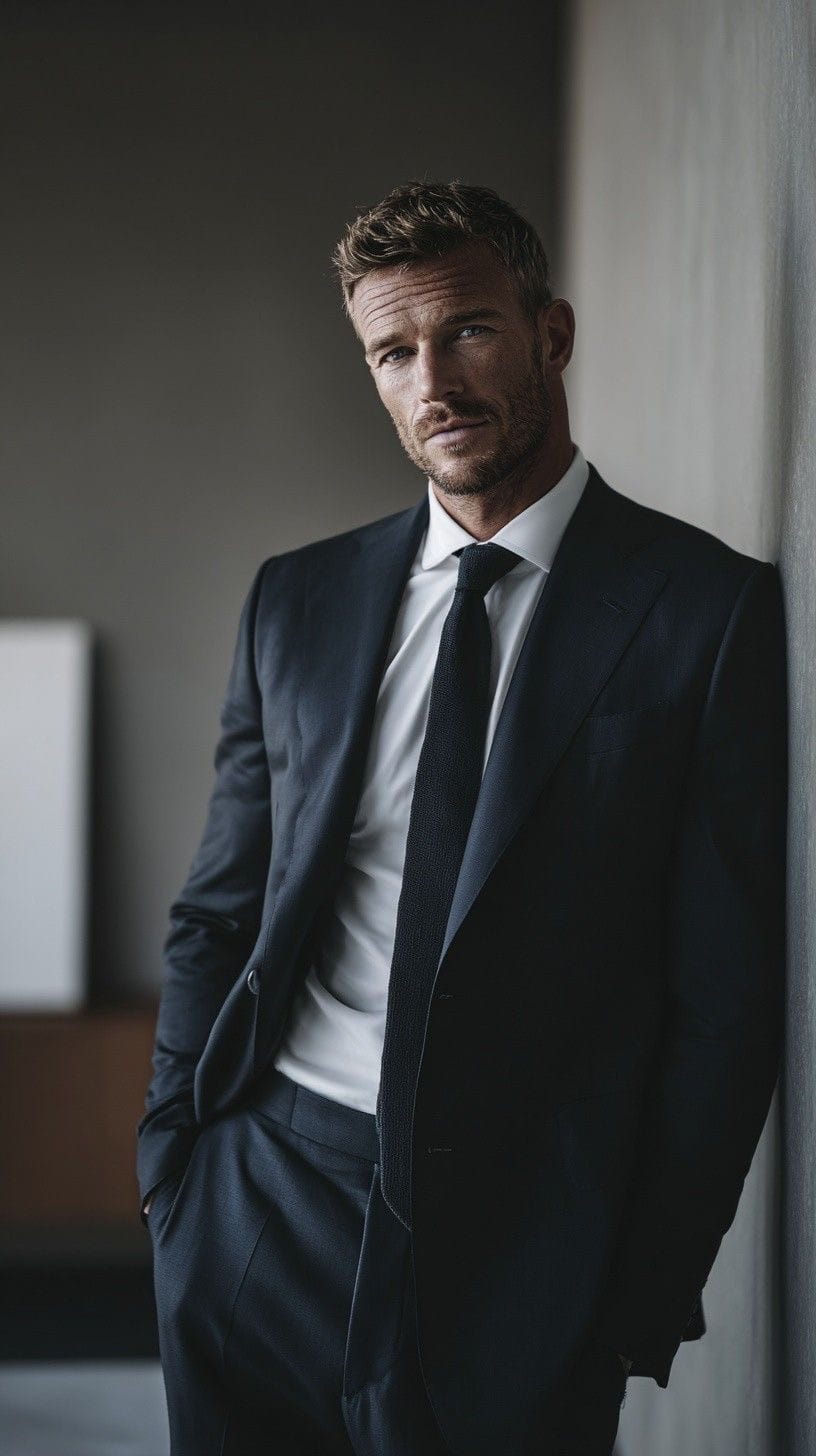
Important men dress to reduce friction, not create spectacle. Their clothing removes questions instead of provoking them. It does not invite commentary. It invites compliance.
This is why so many men who “dress well” still look junior in senior rooms.
They are dressed for admiration, not authority.
Why Casual Culture Made This Worse
The collapse of formal dress didn’t make status disappear—it made it harder to read.
In a post-casual world, the signals that remain carry more weight, not less. Fit, proportion, grooming, restraint, repetition—these are now the tells.
When everyone is dressed down, precision becomes dominance.
A man who understands this does not fight casual culture. He outgrows it.
He knows when comfort is harmless—and when it quietly erodes perception.
The Trap of “Personal Style”
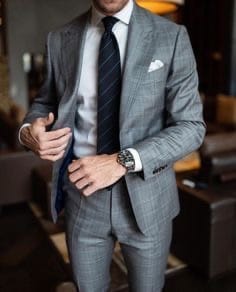
Most men are taught to chase “personal style” as self-expression.
That advice works for artists. It fails professionals.
In environments where decisions, trust, and authority matter, style is not about expressing who you are. It is about reinforcing what you represent.
Important men are legible.
Their clothing supports their role instead of competing with it.
The more senior the position, the less visual noise you can afford.
The Quiet Discipline of Repetition
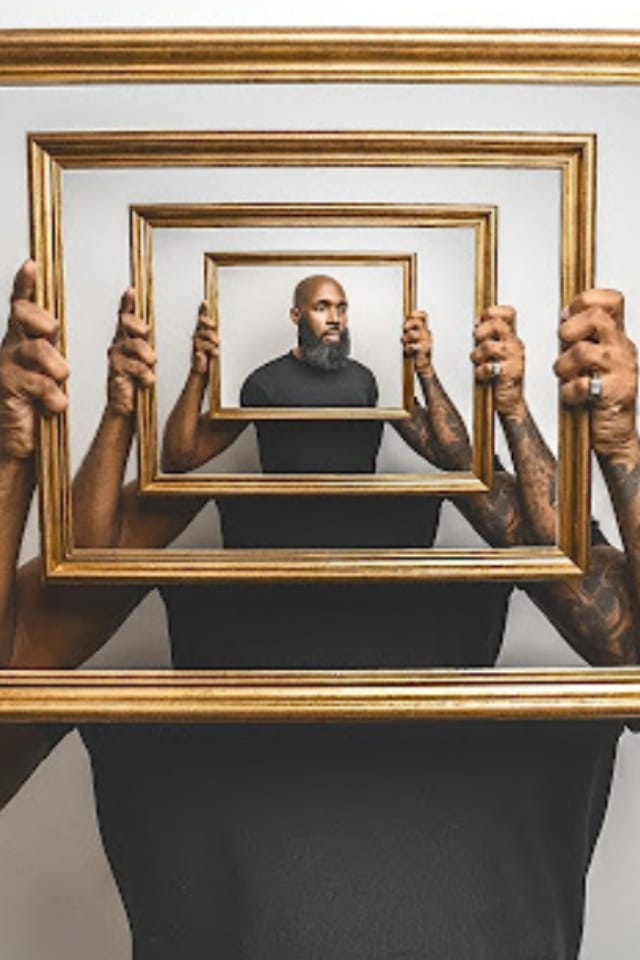
One of the clearest markers of importance is repetition.
Powerful men repeat silhouettes, colors, formulas. Not because they lack imagination—but because consistency builds recognition and removes decision fatigue.
Repetition signals stability.
Stability signals trust.
This is why uniforms—formal or implied—persist at the highest levels of leadership.
The goal is not variety.
The goal is inevitability.
Why This Matters More Than Ever
In modern professional life, perception precedes performance.
You are evaluated before you speak.
You are trusted before you prove.
You are categorized before you act.
Clothing does not create competence—but it absolutely frames how competence is received.
Looking expensive may win attention.
Looking important wins latitude.
And latitude is what power actually looks like in practice.
A Different Way Forward
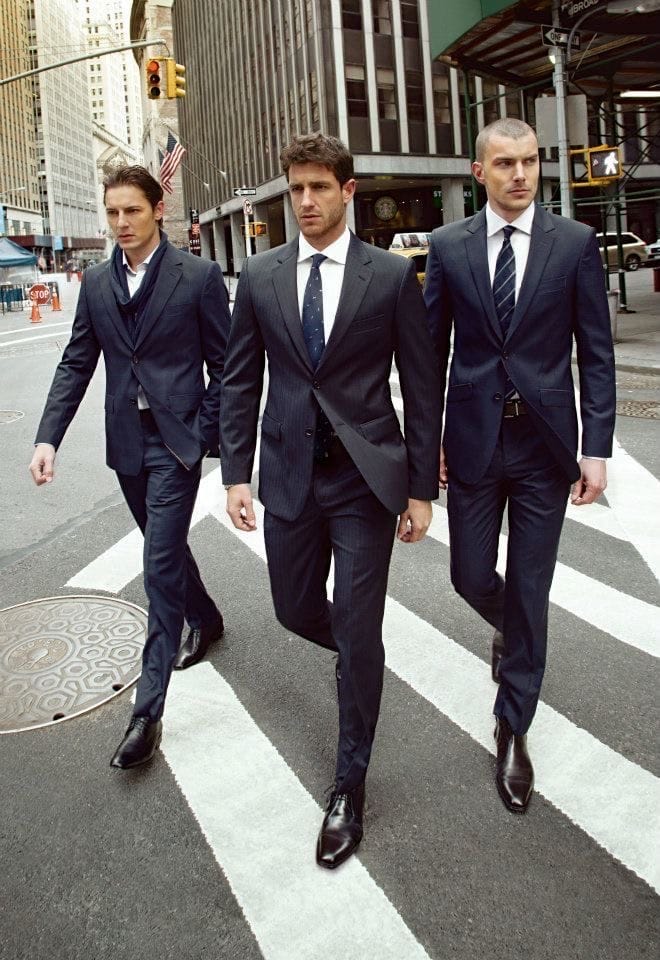
This publication exists for men who understand that style is not decoration—it is infrastructure.
Not fashion.
Not trends.
Not peacocking.
Systems.
Restraint.
Clarity.
If you’ve ever felt overdressed, underread, or visually misaligned with the role you occupy—or the one you’re moving toward—you’re in the right place.
This is not about buying more.
It’s about dressing like nothing needs to be proven.