Elegance as Deception: Tom Ripley and the Semiotics of Status
Editor’s Note:
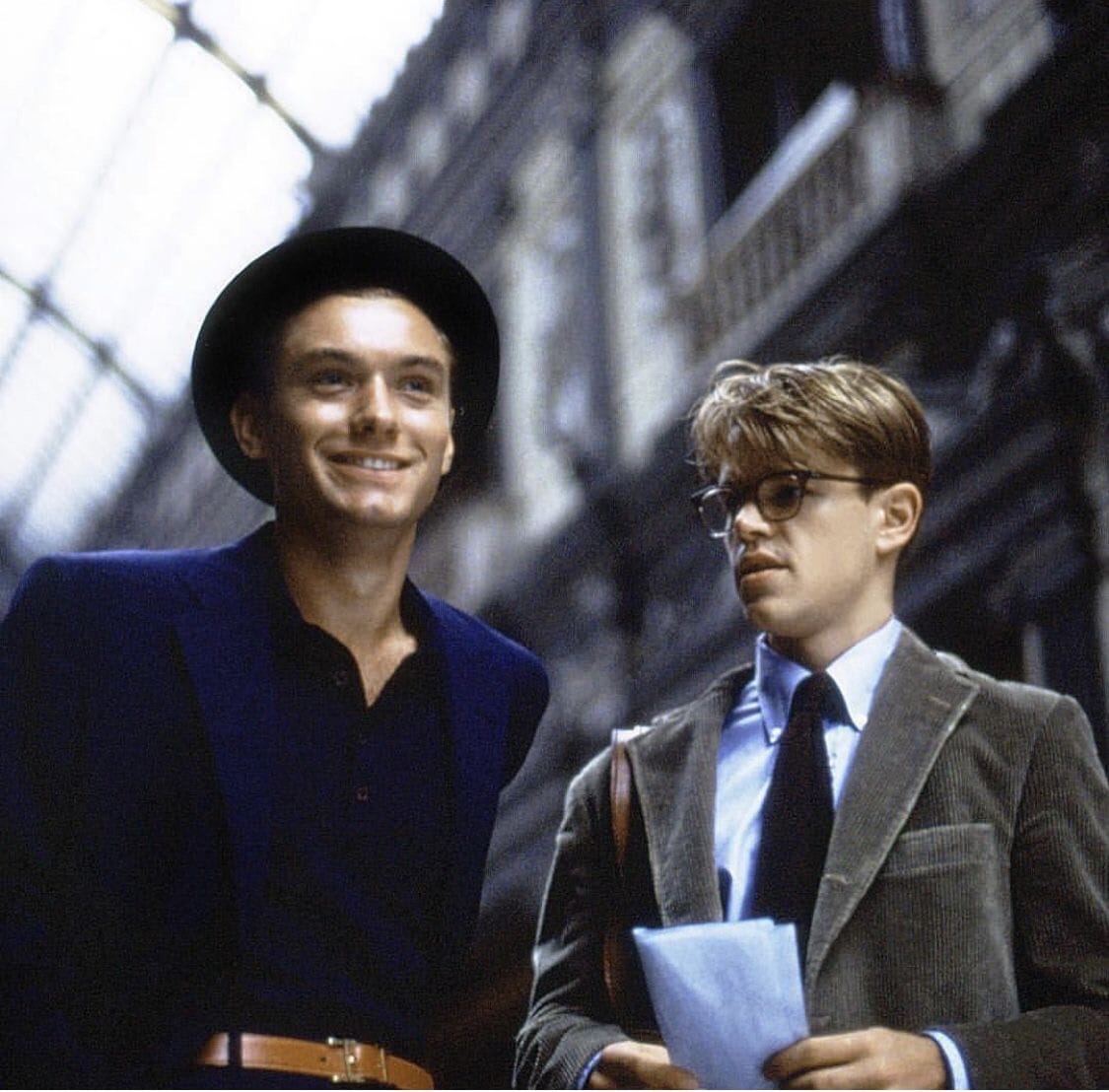
This essay examines The Talented Mr. Ripley as a study in aesthetic intelligence, identity construction, and the psychology of clothing. The film’s tonal shift — from sunlit Mediterranean leisure to cold psychological horror — is mirrored with extraordinary precision through costume, comportment, and cultural signaling.
Cinema as Cultural and Behavioral Instruction
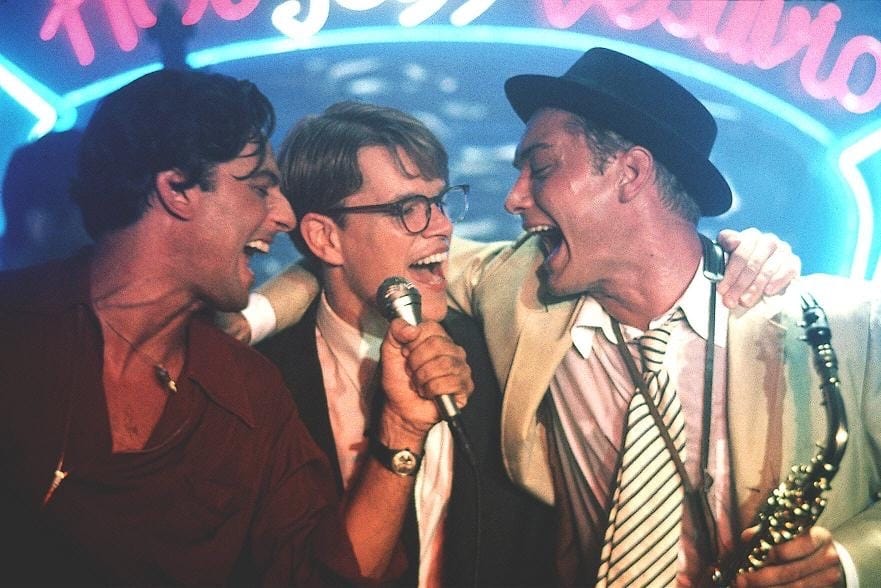
Executives often consume cinema as entertainment rather than education. Yet film remains one of the few mediums capable of encoding behavioral, cultural, and semiotic literacy simultaneously.
The Talented Mr. Ripley — when viewed through this lens — becomes a bifurcated curriculum in:
climate-specific dressing
class literacy
identity construction
cultural belonging
deception through aesthetics
the psychology of imitation
These forces split sharply between the film’s first and second halves.
The first half is Riviera leisure and ease.
The second half is constructed identity and dread.
The clothing tells the audience everything.
Act I: Riviera as Pedagogical Environment
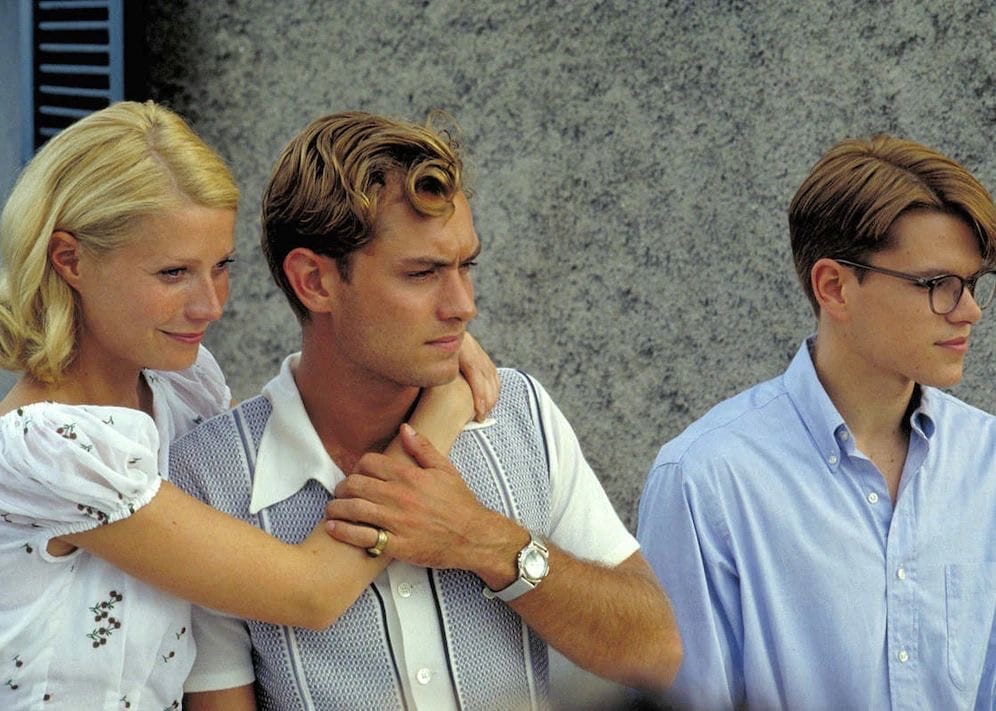
In the film’s early sequences, Mongibello operates as a cultural classroom. It teaches through climate and ritual:
linen shirts that breathe
camp-collar prints referencing coastal leisure
unlined loafers and espadrilles
cotton polos and tailored swim shorts
Persol sunglasses filtering glare
sun-kissed hair and relaxed shoulders
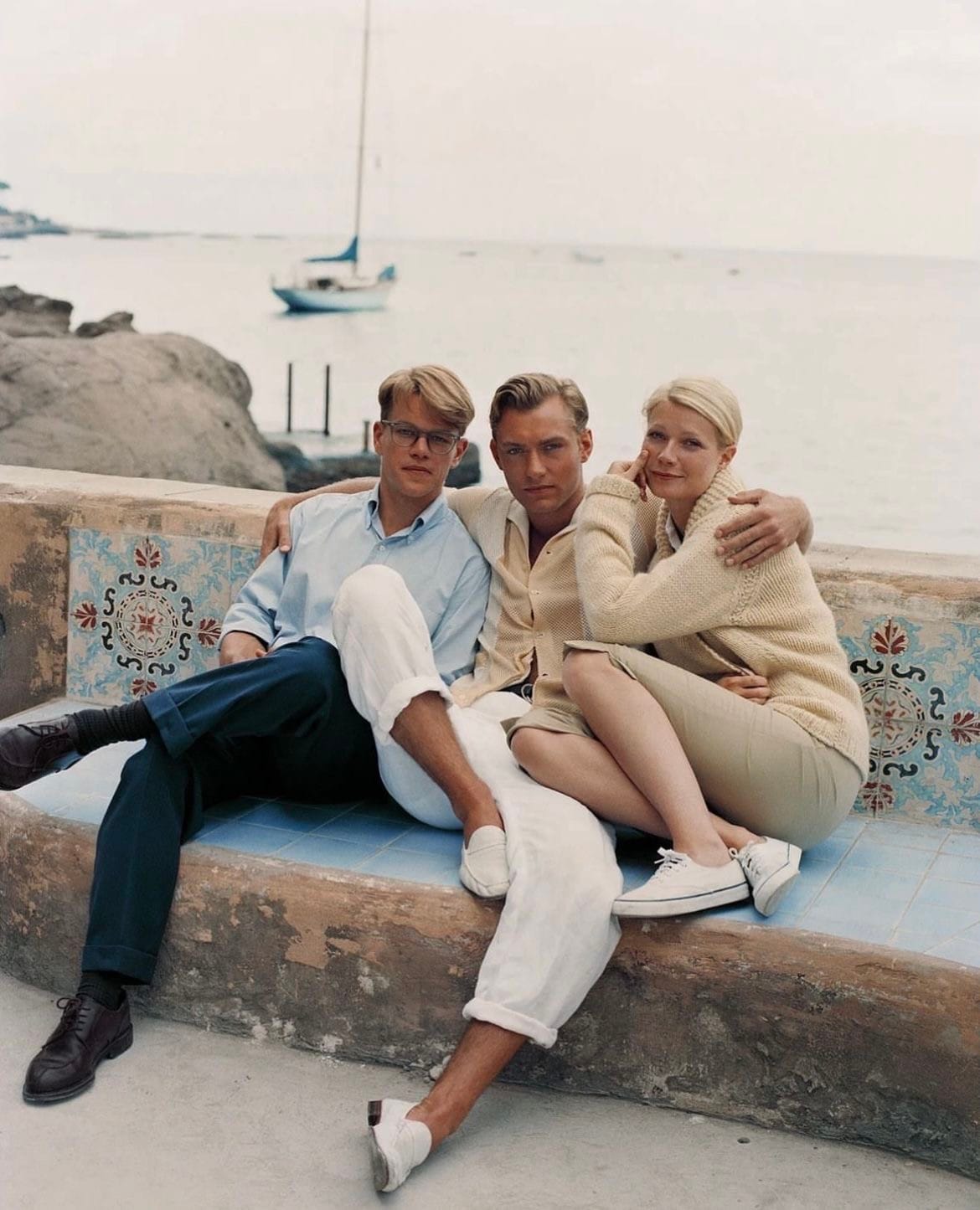
Executives unfamiliar with global leisure norms often misinterpret clothing like this as simply “casual.” It is not casual — it is contextual.
European leisure attire reflects competence, not indifference. It signals:
climate fluency
physical ease
sensory awareness
belonging to place
Dickie Greenleaf embodies this fluency.
Tom Ripley studies it.
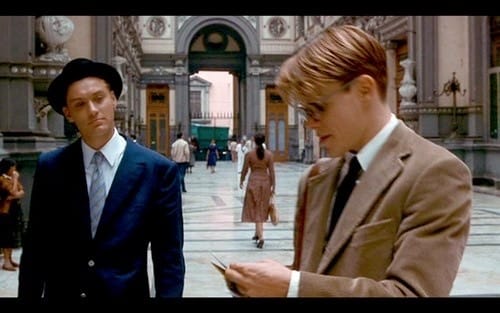
The leisure settings themselves — terraces, marinas, cafés — serve as third places where social capital accumulates.
Act I Clothing as Identity Codes
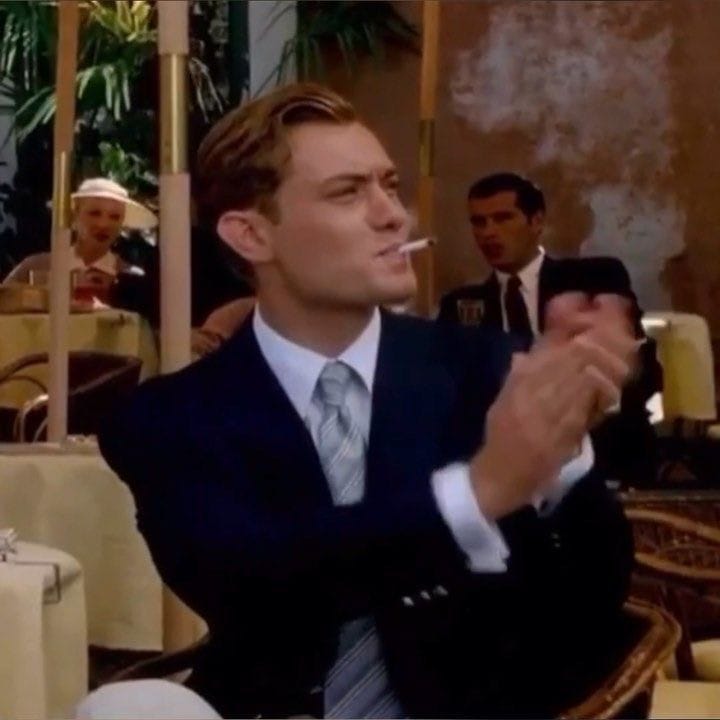
In the first half, clothing functions as semiotic markers of class and cultural capital.
Dickie’s wardrobe in Act I signals:
soft power (relaxed posture, unhurried pacing)
high-context leisure (jazz clubs, terrace lunches)
worldliness (Italian tailoring + American sportswear)
belonging (ease in coastal ritual)
Ripley’s initial wardrobe is:
boxier
darker
more formal
more urban-American
poorly adapted to heat
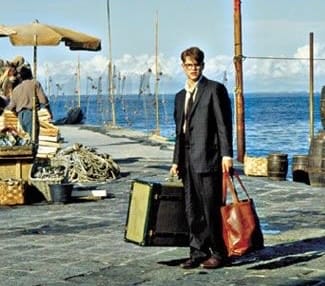
It signals aspiration without literacy.
But as Ripley observes Dickie, he begins to absorb the codes: sunglasses, loafers, linen, even jazz taste. The audience watches his costume become a language of desire.
Clothing becomes Ripley’s grammar.
Act II: The Violence of Self-Construction

After the pivotal boat scene, the film’s aesthetic, tonal, and psychological landscape undergo a violent transformation.
The Mediterranean warmth vanishes.
So does the leisure.
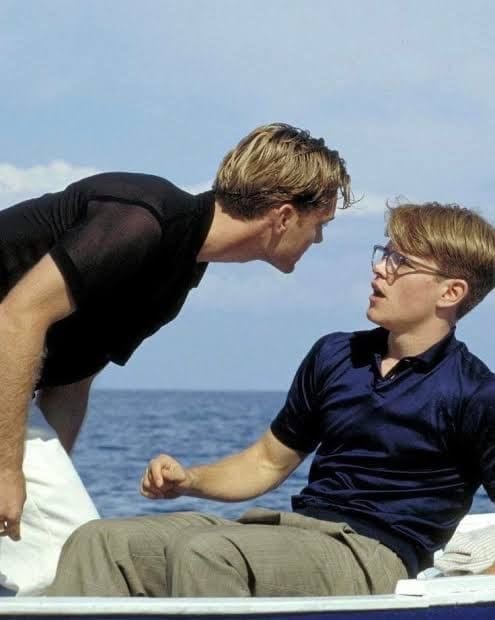
Ripley’s clothing changes first.
The second half introduces:
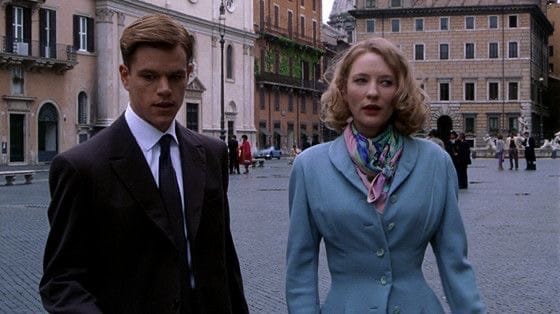
darker palettes
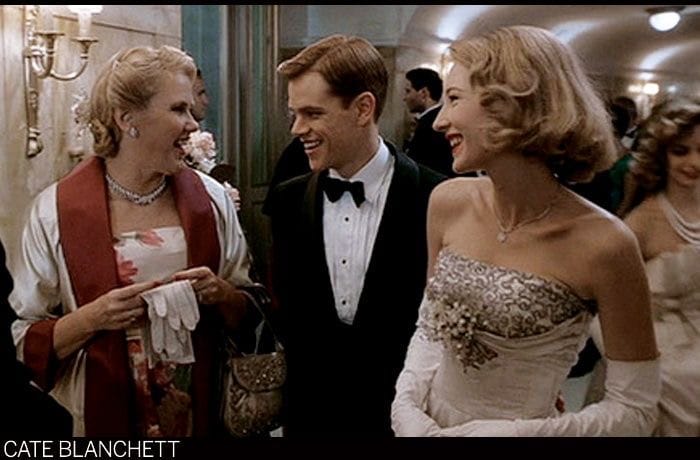
structured tailoring
buttoned collars
overcoats and knitwear
heavier footwear
precise grooming
increased formality
subdued accessories
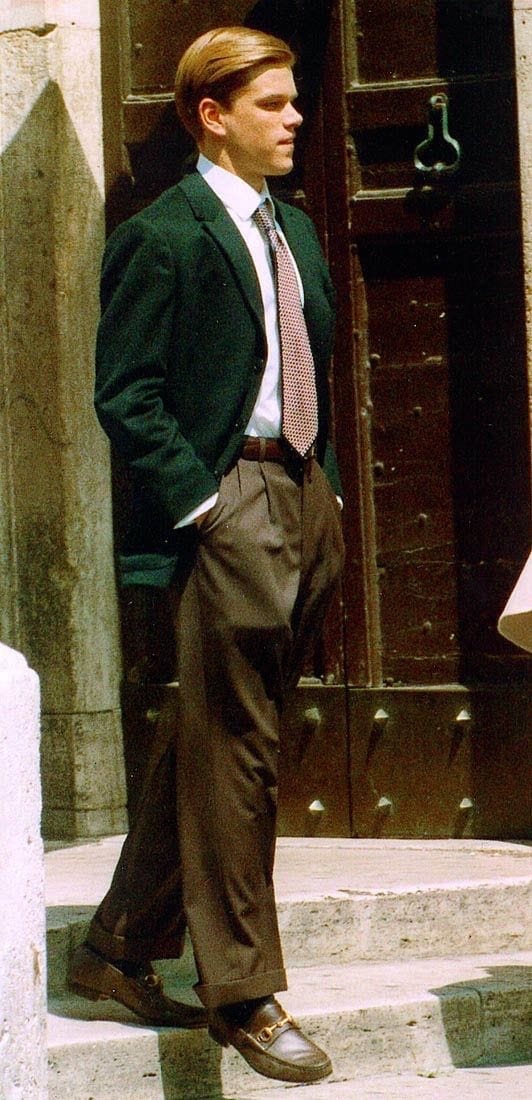
This shift mirrors a psychological hardening — the transition from imitation to invasion.
The wardrobe becomes armor.
It no longer seeks to belong in leisure but to control perception.
Clothing as Psychological Technology
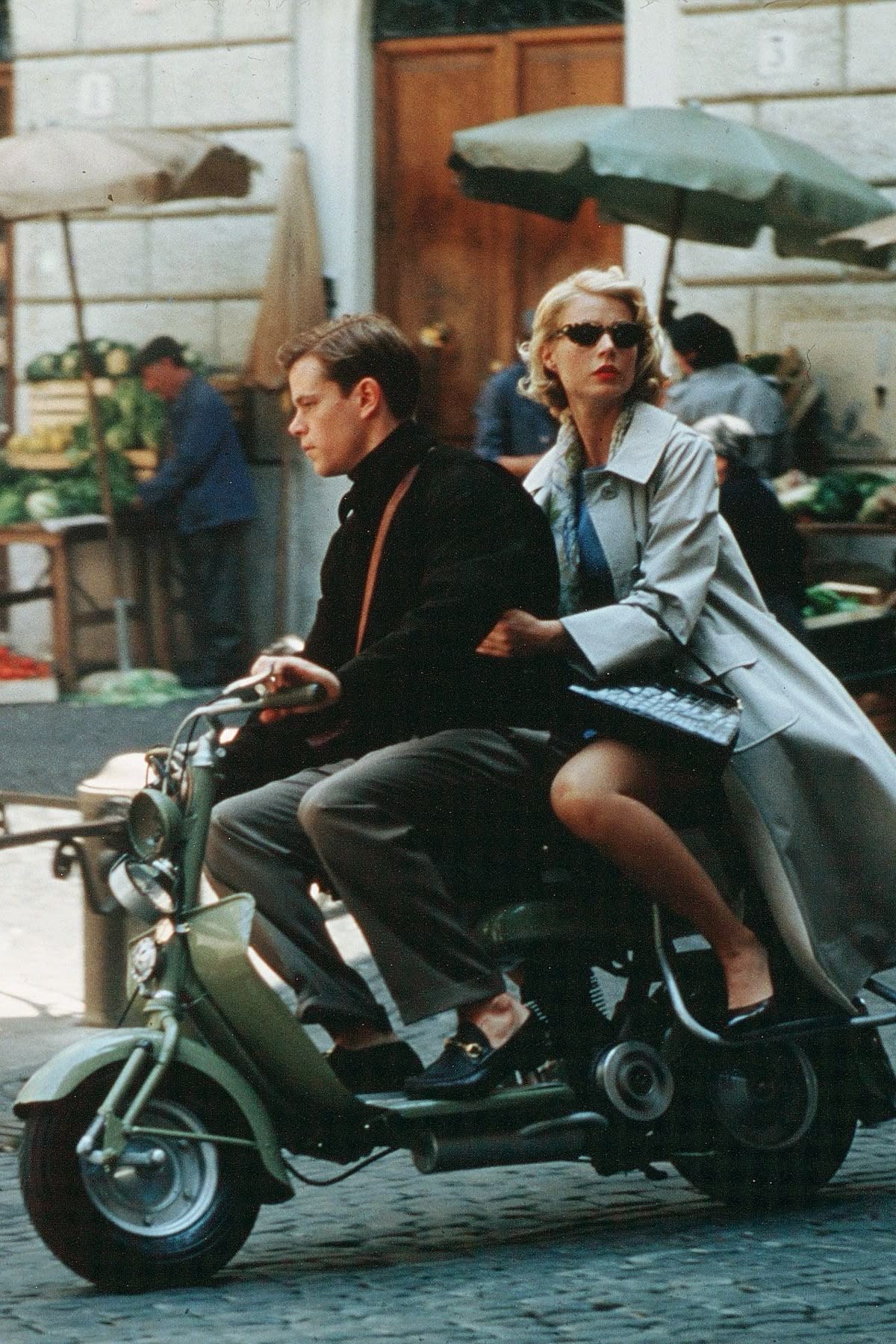
In Act II, Ripley’s clothing begins to function as a technology of identity fabrication.
Formality becomes psychological insulation.
Tailoring becomes narrative control.
Dark colors become moral camouflage.
Executives will recognize this phenomenon in real-world contexts:
the expatriate adopting new class signals
the junior associate upgrading to “partner costume”
the wealth manager who dresses to match the client’s milieu
the consultant adopting diplomatic neutrality through clothing
Ripley takes this to an extreme: clothing as existential scaffolding.
In Act II, clothing becomes Ripley’s primary instrument of deception.
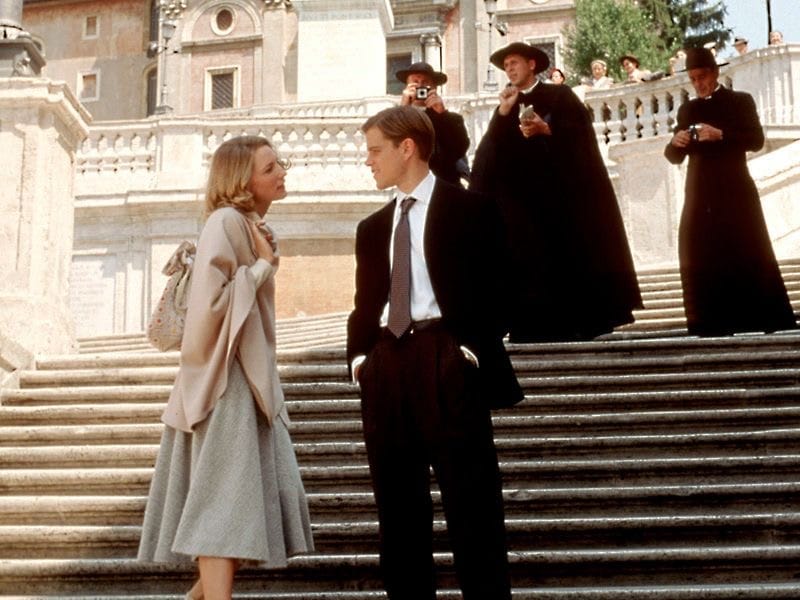
Not because it hides him — but because it allows him to perform credibility.
The Semiotics of Darkening
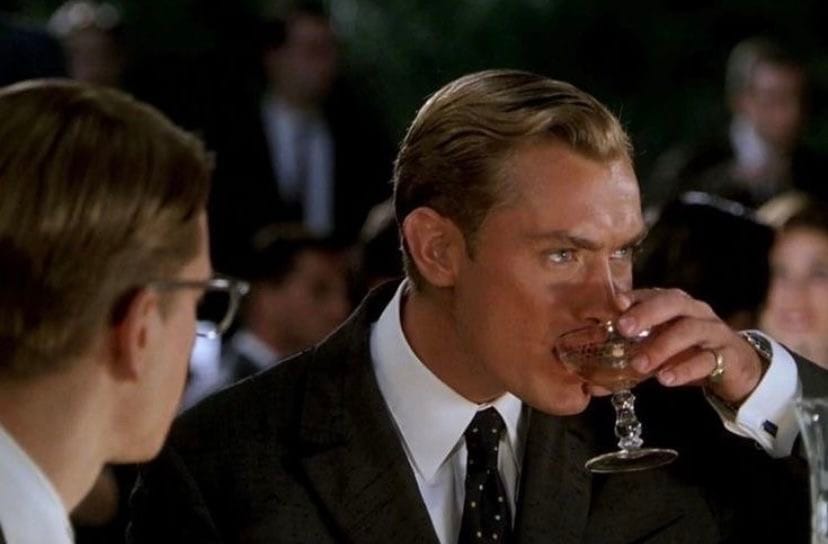
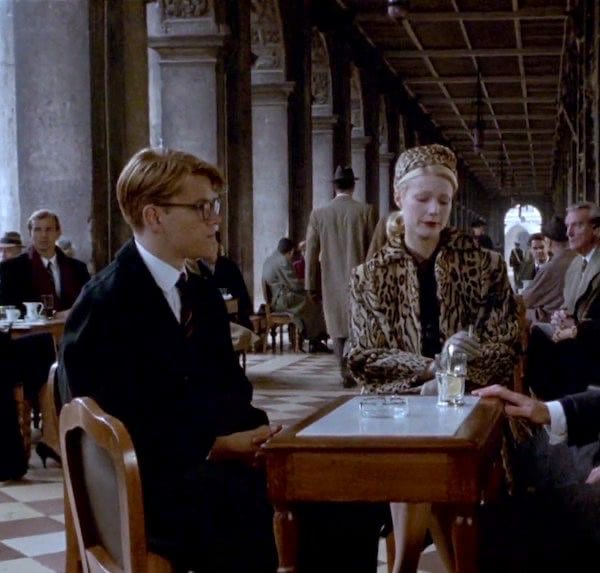
Color theory matters in cinema, and Minghella uses it aggressively:
Riviera whites → institutional creams → urban charcoals
seaside blues → muted navies → psychological greys
sunlit golds → cold fluorescents → marble neutrals
This chromatic descent parallels genre shift:
Leisure Film ➜ Psychological Horror
Executives often underestimate the interpretive power of color in:
international negotiation
luxury hospitality
legal and financial advisory
political diplomacy
private banking environments
Ripley understands it intuitively.
Most viewers feel the tonal shift before they consciously notice the wardrobe shift — which is the point.
Act II Clothing and Cultural Authenticity
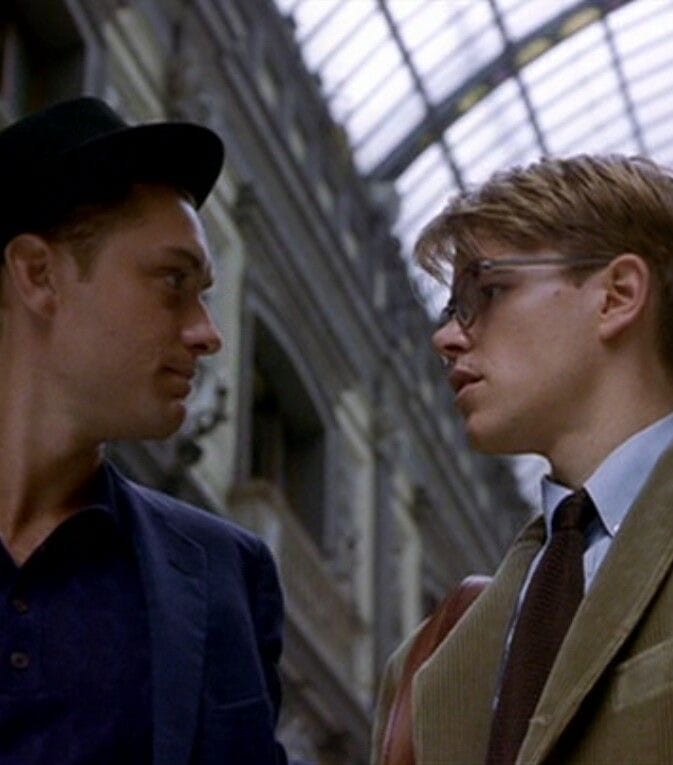
The tragedy of Ripley is not simply violence — it’s epistemic failure.
He confuses:
objects for origins
attire for literacy
performance for fluency
recognition for belonging
Dickie’s Act I wardrobe emerged from embodied culture.
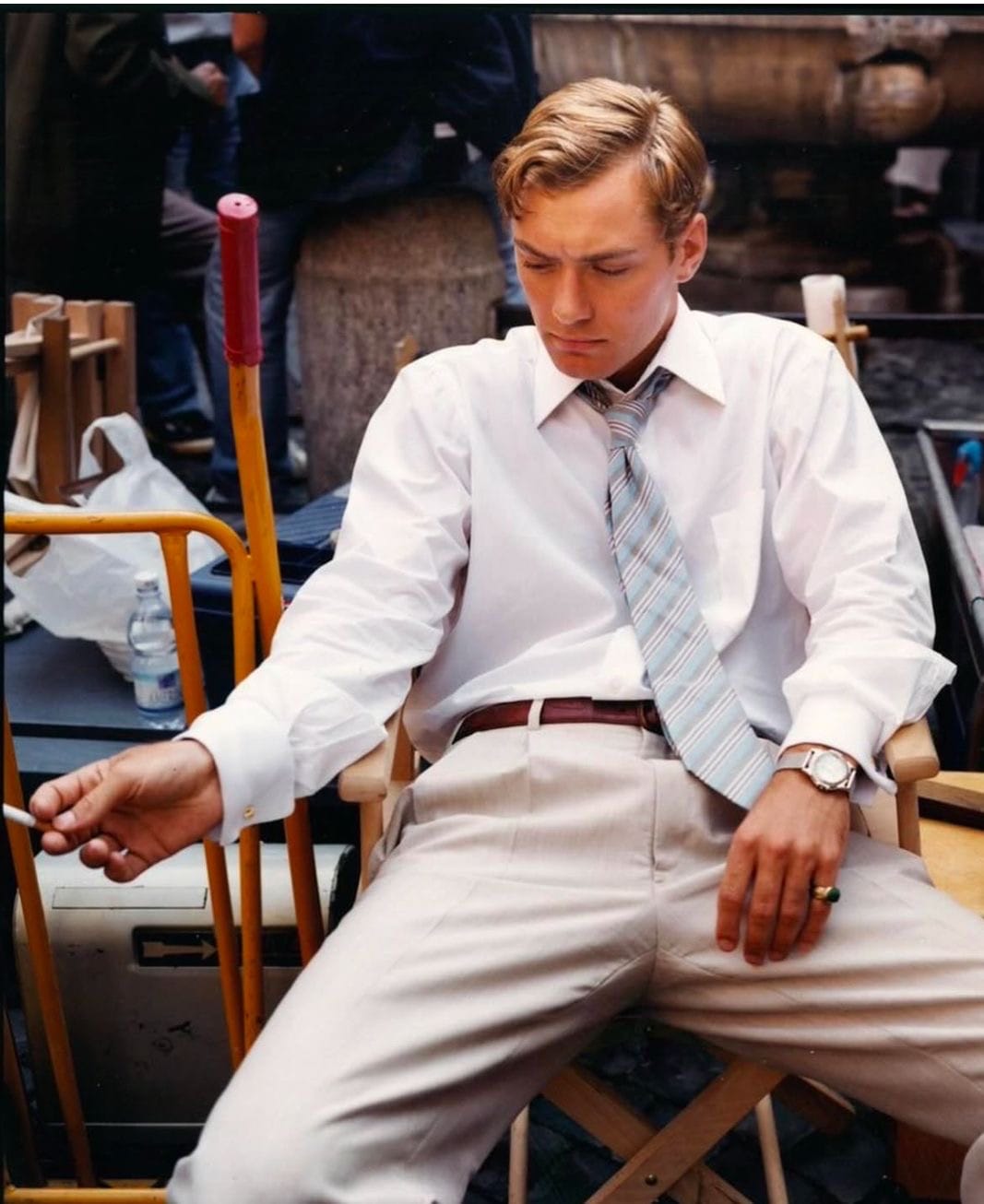
Ripley’s Act II wardrobe emerges from fabricated identity.
One is lived.
The other is constructed.

This distinction maps directly onto real executive environments, where surface-level mimicry often collapses under behavioral scrutiny.
Executive Implications: Clothing as Literacy, Not Costume

From a practical standpoint, the film offers executives five key lessons:
1. Clothing Communicates Competence
Climate, context, and cultural fit matter more than price or trend.
2. Leisure Is a Test

Global elite networks evaluate credibility in leisure settings more than in boardrooms.
3. Comportment Precedes Clothing
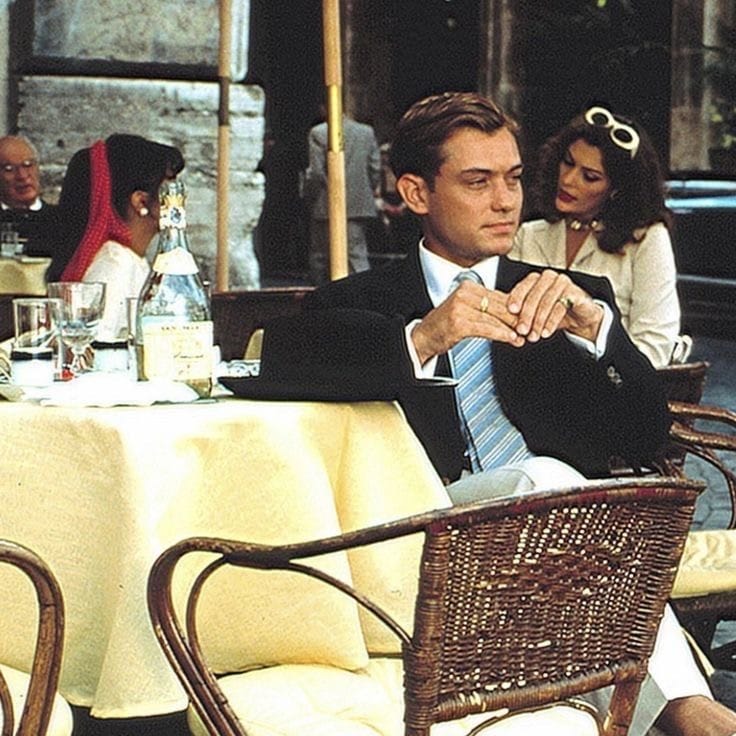
Posture, pacing, and voice communicate more than garments alone.
4. Identity Cannot Be Purchased
Luxury without cultural literacy reads as cosplay, not credibility.
5. Formality Is Not Neutral
Dark tailoring can project professionalism — or conceal insecurity.
Ripley embodies the latter.
Final Note

The psychological horror of The Talented Mr. Ripley is not merely that Tom kills — it’s that he constructs identity as a survival strategy, and clothing becomes the architecture.
Dickie demonstrates that:
Style emerges from fluency.
Ripley demonstrates that:
Style collapses without identity.
Executives navigating global cultural environments would do well to internalize the film’s final lesson:

Clothing cannot manufacture belonging.
It can only signal what is already embodied.